Occult & Esoteric History
Texts, objects, people, and symbols reveal occult history through internal structure, ritual logic, textual difference, and worked comparison.

Explore protective magic in historic buildings and objects →
Images from the archive
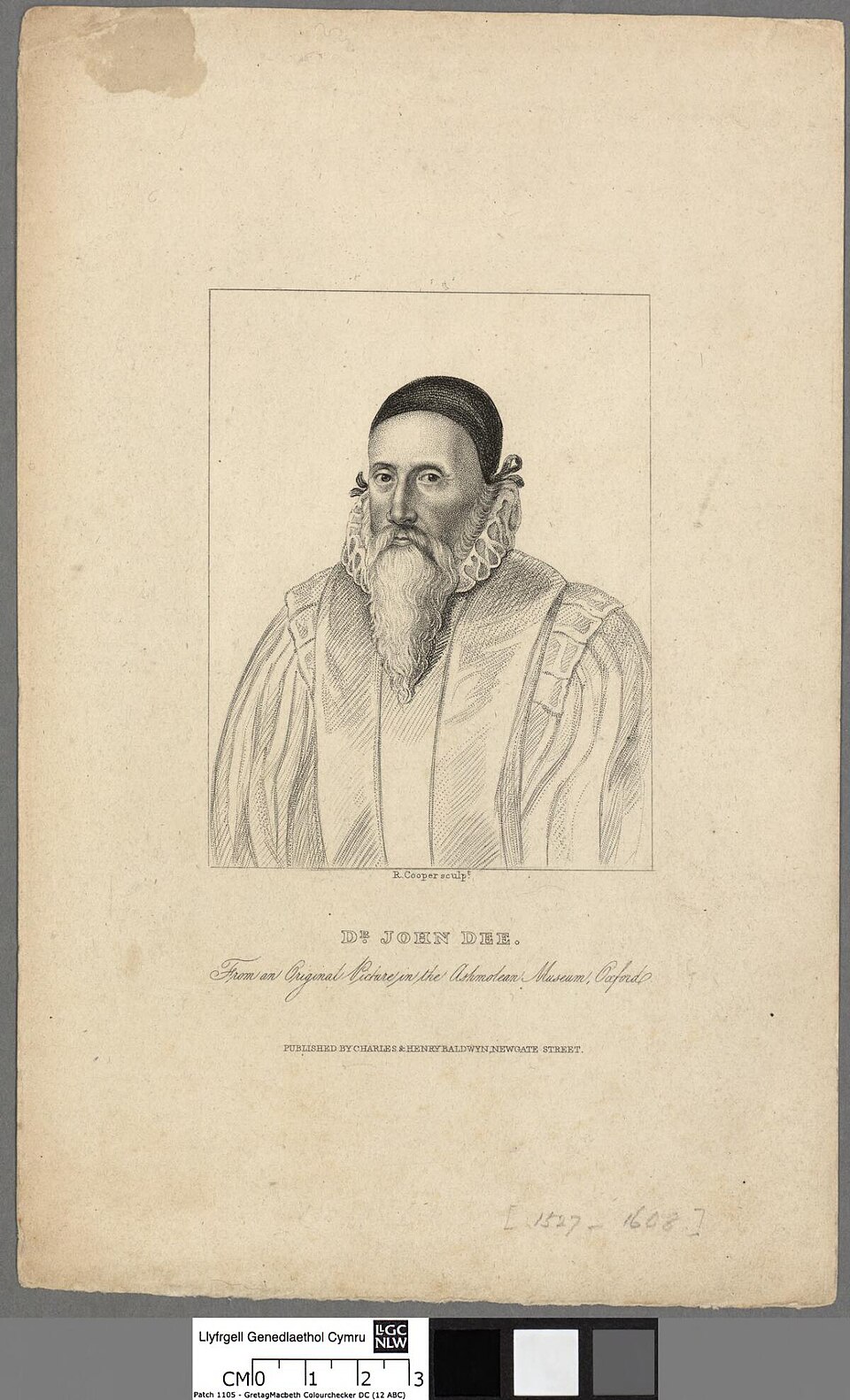 John Dee and Edward Kelley: Records of Angelic ConversationJohn Dee, stipple engraving by Richard Cooper, about 1820. National Library of Wales.
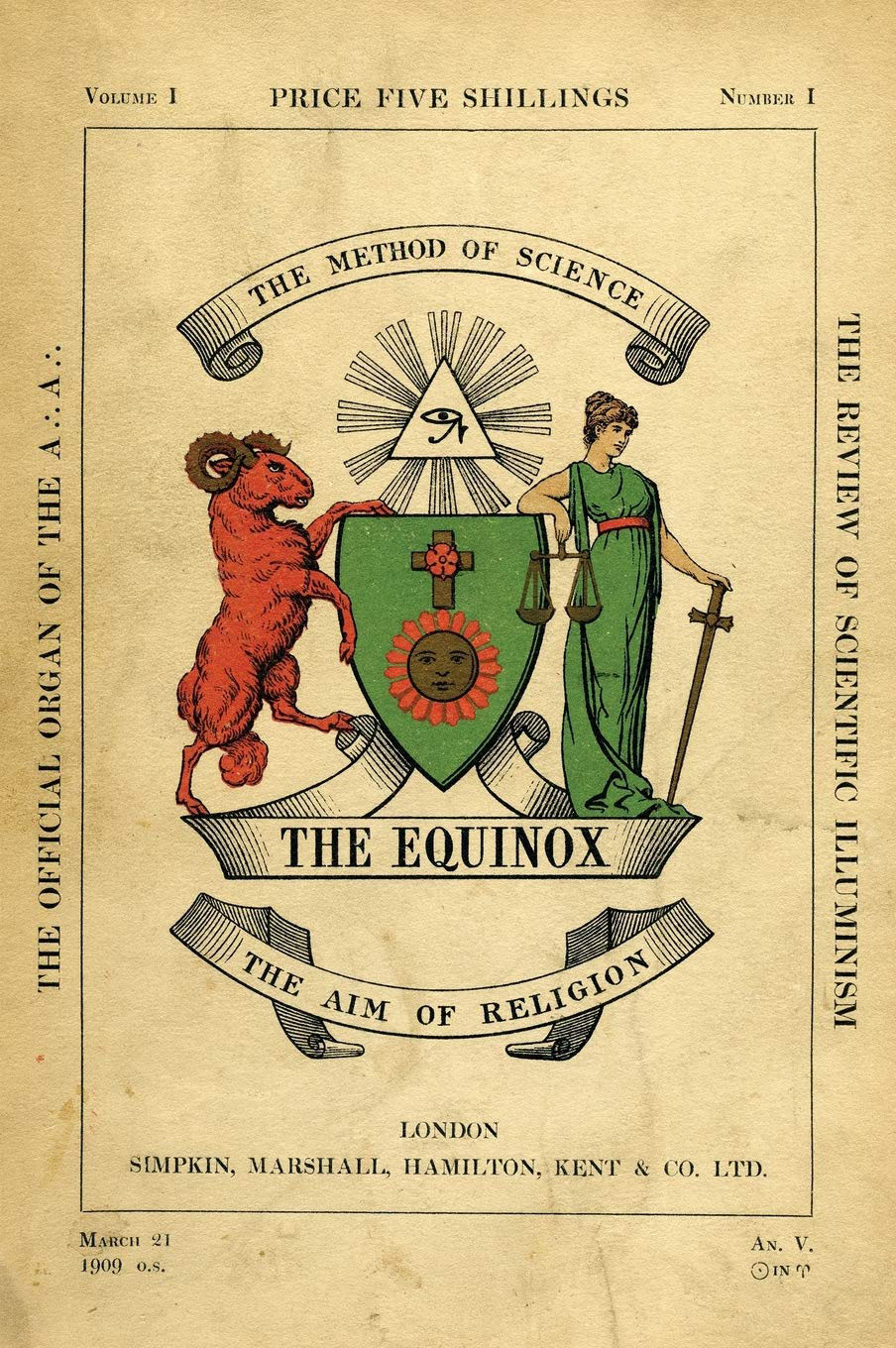 The Equinox: Crowley’s Esoteric PeriodicalCover of The Equinox, volume I, number 1, March 1909.
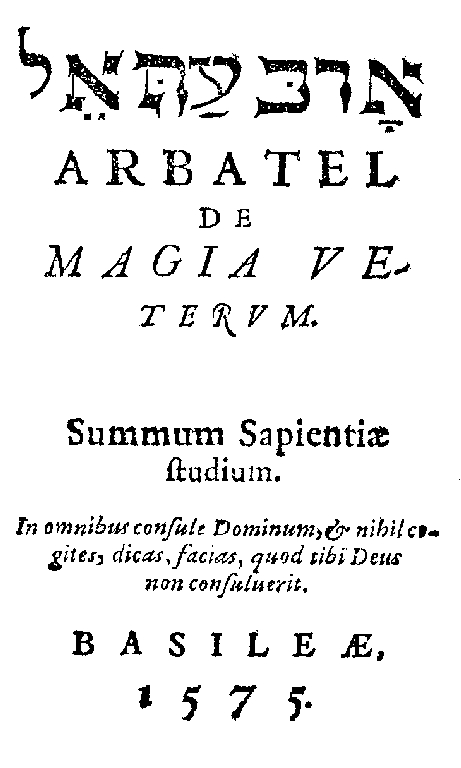 Arbatel of Magic: The 1575 AphorismsTitle page of Arbatel de magia veterum, Basel, 1575.
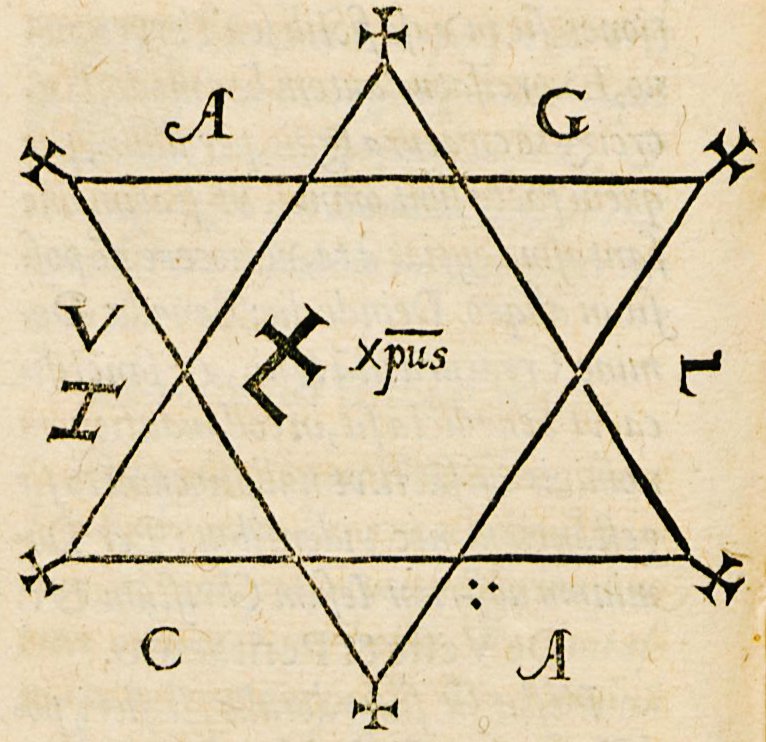 Heptameron: The Seven-Day Ritual Text Attributed to Pietro d’AbanoPentacle in a 1565 printing of the Heptameron attributed to Pietro d’Abano.
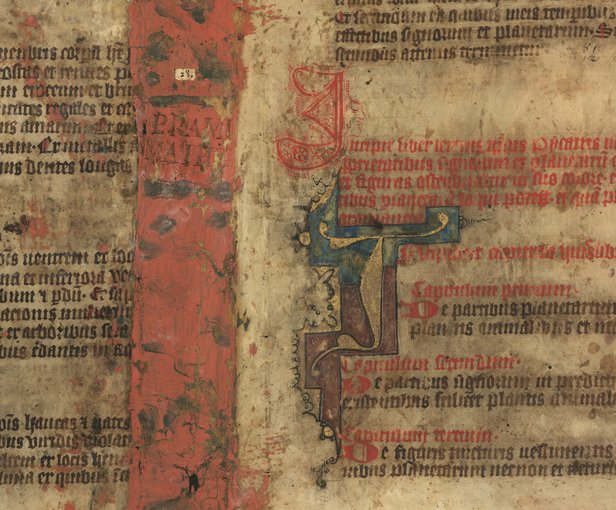 Picatrix and Ghāyat al-Ḥakīm: A Translation HistoryDetail of a medieval Latin Picatrix manuscript held by the Slovak National Library, about 1400.
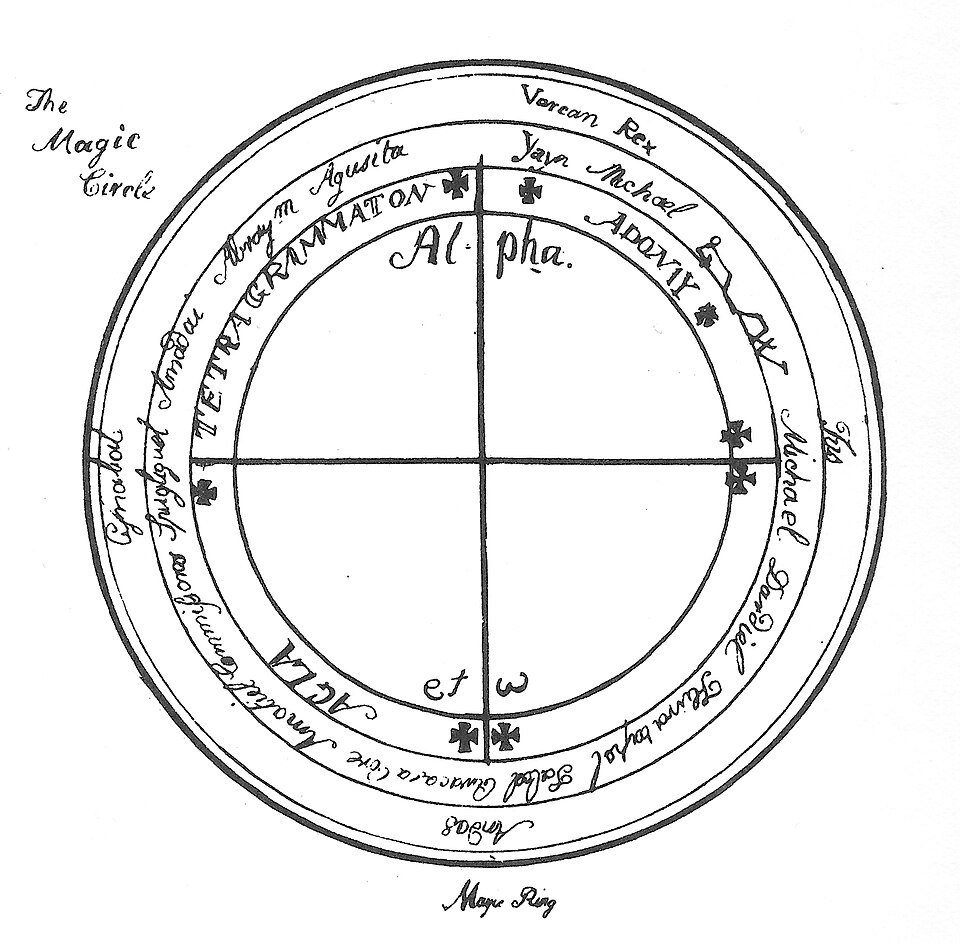 Ritual Circles in Historical Grimoires“The Magic Circle” from Francis Barrett’s The Magus, 1801.
Browse the source-led Arbatel archive: 1575 print, aphorisms, and Olympic spirits →
Enter the Black Pullet reading room: pyramid initiation, talisman system, and golden-egg afterlife →
Read the Grimoire of Pope Honorius: counterfeit authority, weekday spirits, and ritual objects →
Explore Transcendental Magic: pentagrams, Baphomet, necromancy, and the astral light →
Explore Agrippa’s Three Books and the disputed Fourth Book →
Read the Key of Solomon manuscripts and 1889 edition →
Explore Dee’s 1564 Monas Hieroglyphica and its printed glyph →
Trace the Golden Dawn through surviving manuscript collections →
Showing all 31 topics.
Grimoires
- Arbatel of Magic: The 1575 AphorismsThe Basel printed Arbatel, its surviving seven groups of aphorisms, planetary figures, and unusually explicit Christian ethical language. Learn how its 1575 title page, later translation, and inclusion in collected volumes shape what readers now call the text.
- Ars Almadel: The Wax Table and Its Older Textual FamilyA source-aware introduction to the fourth Lemegeton book and the varied medieval Almandal and Almadel traditions behind it.
- Ars Goetia History: From Weyer to the 1904 EditionThe Ars Goetia did not begin with Aleister Crowley or the biblical Solomon. Its familiar seventy-two-spirit catalogue took shape through earlier lists, seventeenth-century manuscripts, and modern print editions.
- Ars Notoria: Notae, Learning, and the Lemegeton AppendixWhat medieval Ars Notoria witnesses contain, how their diagrams served claims about learning, and how the Lemegeton copy differs.
- Ars Paulina: Planetary Hours and Zodiacal AngelsThe third Lemegeton book, with its two astronomical arrangements and a title that must not be confused with a separate Latin Pauline Art.
- Grimorium Verum: History, Spirits, and the 1517 ImprintGrimorium Verum calls itself the “True Grimoire” and claims a Memphis imprint dated 1517. The British Library copy carries that date on its title page but is catalogued as [1817]. Earlier related French manuscripts reveal a longer and less tidy history.
- Heptameron: The Seven-Day Ritual Text Attributed to Pietro d’AbanoThe printed Heptameron, its weekday organization, manuscript relative, and reasons to question its attribution to the medieval physician. A known 1559 print and Vatican manuscript supply firmer evidence than alleged lost early editions.
- Picatrix and Ghāyat al-Ḥakīm: A Translation HistoryHow the Latin Picatrix relates to an Arabic work of astral magic, and why its translations and manuscript forms cannot be flattened into one ancient book.
- The Book of Abramelin: Its Operation and Magic SquaresThe Book of Abramelin follows Abraham of Worms as he passes an angel-centered system of magic to his son. Its famous letter squares come after months of devotional preparation, and the length of that preparation depends on which edition you read.
- The Key of Solomon: Contents, Pentacles, and the Lesser KeyThe Key of Solomon, or Clavicula Salomonis, is a later grimoire attributed to the biblical king. Its prayers, planetary hours, circles, and pentacles are distinct from the Lesser Key’s Ars Goetia.
- The Sworn Book of Honorius: Manuscripts and LegendLiber Iuratus Honorii as a medieval manuscript tradition, with its oath, angelic material, and distinct identity from the later Grimoire of Pope Honorius.
- Theurgia-Goetia: The Aerial Spirits of the Lesser KeyA guide to the second Lemegeton book, its aerial spirit catalogue, seals, and documented relationship to Trithemius’s Steganographia.
People
- Aleister Crowley: Life, Books, and LegacyA historically grounded introduction to Aleister Crowley, the English writer whose eclectic ceremonial practice and Thelema reshaped modern Western esotericism.
- Cornelius Agrippa and Three Books of Occult PhilosophyHow Agrippa gathered Renaissance discussions of natural, celestial, and religious magic into an influential work, and why his later self-critique matters.
- John Dee and Edward Kelley: Records of Angelic ConversationWhat Dee’s surviving notebooks show about a sixteenth-century scholar’s sessions with Edward Kelley and why the manuscripts matter more than later legend.
- S. L. MacGregor Mathers and the Golden DawnThe Golden Dawn organizer and translator whose editions shaped the modern reading of Solomon and Abramelin, including their editorial limits.
Publications
Research guides
- Historical Spells and Charms: Reading the EvidenceA reader’s guide to the everyday aims, mixed forms, and manuscript evidence of early modern spells, charms, prayers, and written remedies.
- How Grimoire Manuscripts Travel and ChangeA practical guide to witnesses, copies, translations, missing leaves, and editorial choices that explain why two texts under one famous title often disagree.
- Pentacles, Seals, and Talismans: Forms and HistoriesCompare graphic objects in Solomonic manuscripts and museum collections through their forms, materials, dates, and transmission histories.
Ritual history
- Incense and Fumigation in Historical Ritual BooksHow odor, smoke, prayer, and manuscript variation work together in early modern ceremonial texts and their later printed editions.
- Invocation and Evocation in Western Ritual TextsAn evidence-led explanation of the words used for calling on divine powers or addressing spirits, with examples of variation across texts and centuries.
- Knives, Wands, and Swords in Solomonic ManuscriptsWhy different implements appear in editions of the Key of Solomon, and what manuscript comparison tells us about their names and roles.
- Planetary Hours in Ritual TextsThe seven-planet cycle behind historical ritual timing, and why a manuscript rule differs from an astronomical observation.
- Protective Prayers, Names, and Written FormulaeA cross-cultural historical introduction to prayer texts and written signs used for protection, with attention to context and the limits of broad labels.
- Ritual Circles in Historical GrimoiresWhat manuscript circles communicated about space, authority, protection, and the roles assigned to a human operator and an addressed spirit.
Spell traditions
- Ancient Binding Spells and Curse TabletsHow inscribed lead and other ancient tablets reveal disputes, petitions, and the limits of museum evidence.
- Love Spells in the Greek and Demotic PapyriAn object-led guide to ancient attraction texts, mixed languages, ethical interpretation, and damaged papyrus held in museum collections.
Spirit communication
- Scrying, Crystals, and Magic Mirrors in the ArchiveWhat John Dee’s crystal and Frederick Hockley’s notebooks show about reported visions, material objects, and recorded sessions.
- Séances, Spirit Photography, and Claims of EvidenceHow nineteenth-century spiritualists and their critics treated messages, photographs, performances, and experimental tests as evidence of spirit contact.
Traditions
Explore the archives
Browse the Ars Goetia reference →
Browse historical magic symbols →
Trace the demonology source books →
Explore John Dee’s angelic archive →
Browse Enochian manuscripts and reception →
Explore the Lemegeton
Compare its five organizing systems, then follow Astaroth from a catalogue entry into a seal-and-command ritual record.
Ars Notoria manuscript atlas
Compare medieval notae, two manuscript witnesses, and Turner’s printed translation with dated images and worked readings.
Picatrix and Ghāyat al-Ḥakīm
Analyze how the four books move from cosmos to operation, then compare Arabic, Castilian, Latin, and manuscript branches.
Sworn Book of Honorius
Read the seal as the opening of a ritual sequence, compare Royal 17 A XLII with the Sloane copies, and follow what each witness preserves.
Heptameron text and print history
Follow how the added Fourth Book turns theory into a working circle, then compare weekday ritual wording across Latin and Turner’s English.
Abramelin manuscripts and editions
Compare the operation’s calendar, letter-square logic, surviving witnesses, Mathers’s wording, and Crowley’s working copy.
Enochian magic: start here
Follow worked readings of Dee and Kelley’s records, Angelical language, the Keys, the thirty Aethyrs, and later occult reception.
Enochian language and source questions
Compare the Calls, Aethyrs, diagrams, and surviving scrying diaries through dated actions and clause-level readings.
Enochian source questions
Compare pronunciation claims, the ancient Book of Enoch, Dee’s Heptarchia, and Golden Dawn reception through concrete examples.
Demon communication in historical grimoires
Follow how summons, signs, voices, questions, pacts, mediums, and dismissals are staged across the Goetia, Munich Manual, Dee diaries, Testament of Solomon, and Dragon Rouge.