Demonology · Historical reference
The 72 Spirits of the Ars Goetia
Mathers–Crowley’s 1904 The Goetia catalogs 72 demons as “spirits”, preserving names, ranks, forms, offices, and seals within The Lesser Key of Solomon.

Guides to the source
Explore the indexes
Browse the 72 entries
All 72 profiles remain in this page. Use any field alone or combine filters to narrow the historical catalogue.
Showing 72 of 72 entries
-
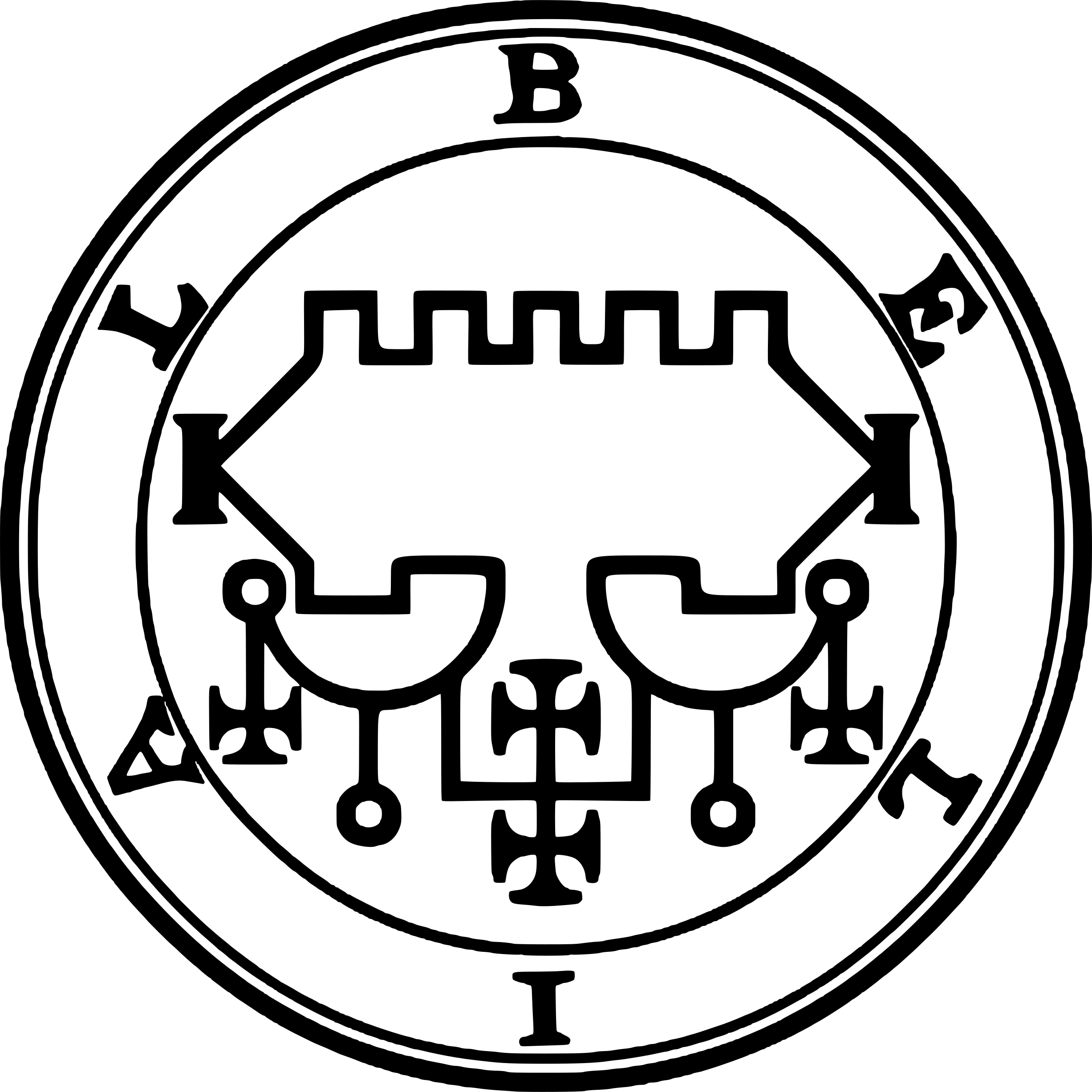
01
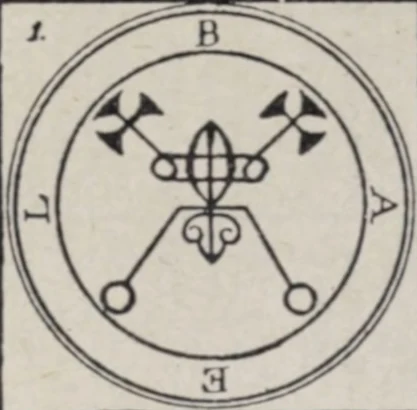 BaelThe catalogue begins with Bael, an eastern king to whom it attributes invisibility. His entry says that his seal is the character by which the summoner identifies him.
-
02
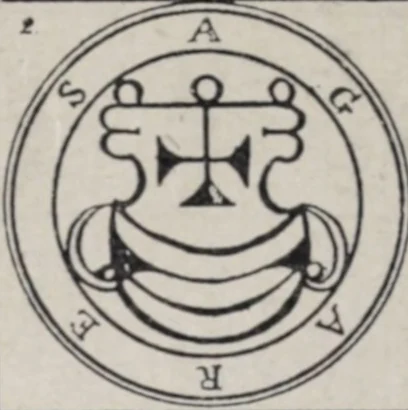 AgaresAgares is said to teach languages, return people who have run away, and set the stationary in motion. The text also credits him with shaking the earth and undoing spiritual or secular dignities.
-
03
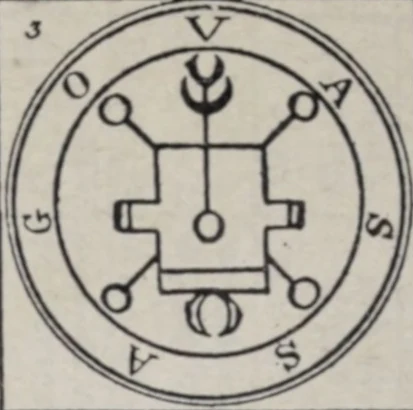 VassagoVassago is characterized as having a good nature and being akin to Agares. The text assigns him knowledge of past and future events and the discovery of concealed or lost things.
-
04
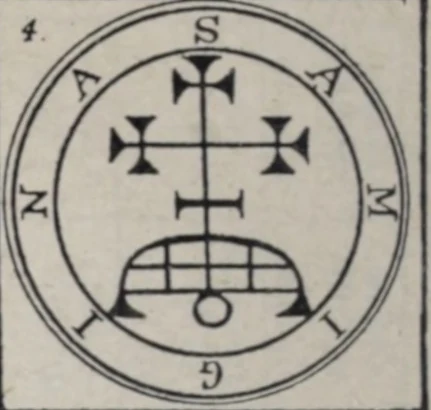 SamiginaSamigina is credited with teaching the liberal sciences. The entry also says that he can give an account of the dead, especially souls described in the text as having died in sin.
-
05
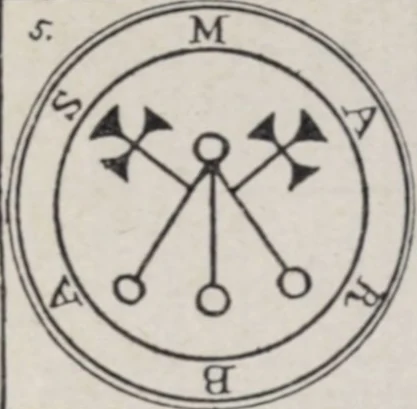 MarbasMarbas is said to answer questions about secrets and hidden matters. The text attributes to him both the causing and curing of illness, knowledge of mechanical arts, and the power to change human forms.
-
06
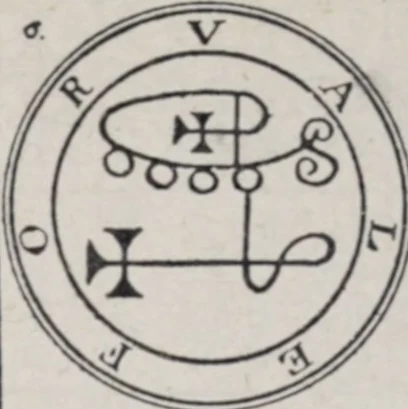 ValeforValefor is described as a familiar spirit, but the account warns that he tempts those close to him to steal. This tension between useful companion and dangerous influence is the main feature of his short entry.
-
07
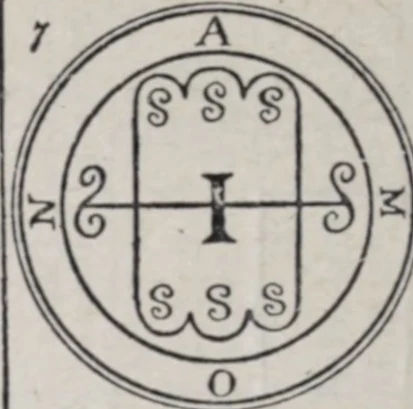 AmonAmon is credited with telling the past and future. The text also says he can provoke feuds and reconcile disagreements between friends, giving him opposed roles in human relationships.
-
08
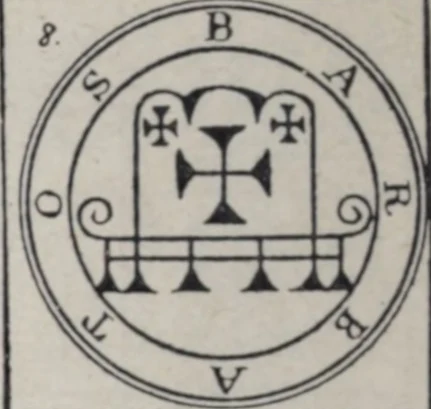 BarbatosBarbatos is said to interpret birdsong and other animal voices. He is also associated with enchanted hidden treasure, knowledge of past and future events, and reconciliation among friends or powerful people.
-
09
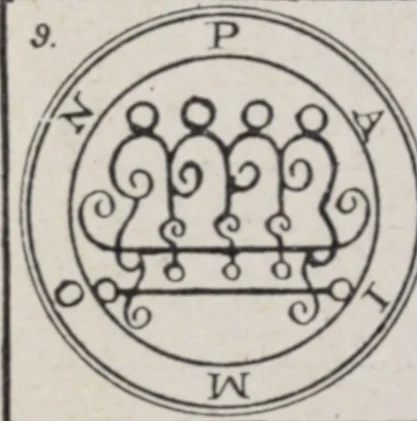 PaimonPaimon is assigned an unusually broad office: the arts and sciences, secret knowledge, questions about the world and mind, and the granting of dignity. The text places him toward the west and describes a large following that includes other named kings.
-
10
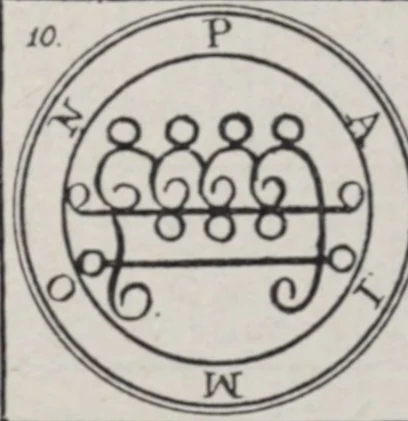 BuerBuer is said to teach moral and natural philosophy, logic, and the properties of herbs and plants. The account also attributes healing and the provision of good familiars to him.
-
11
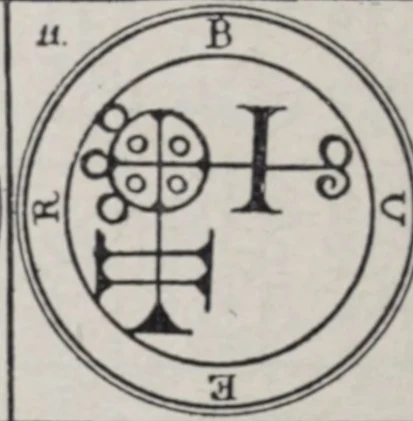 GusionGusion is credited with answering questions about the past, present, and future and clarifying difficult questions. He is also said to reconcile friendships and confer honor or dignity.
-
12
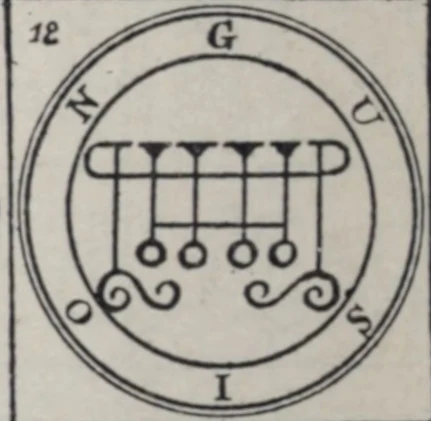 SitriSitri is associated with kindling desire between women and men. His entry also describes an ability to cause people to reveal their naked bodies, reflecting the text’s strongly erotic framing.
-
13
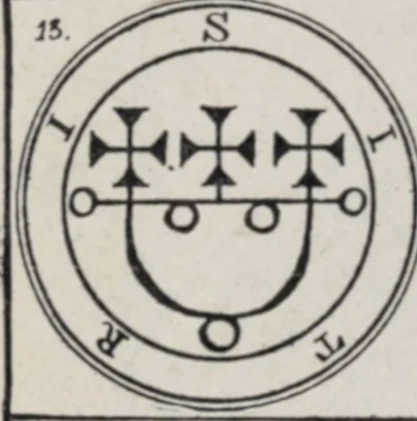 BelethBeleth receives one of the longest ceremonial entries in the catalogue. It attributes to him the power to bring about love and places particular emphasis on his royal status and formidable arrival.
-
14
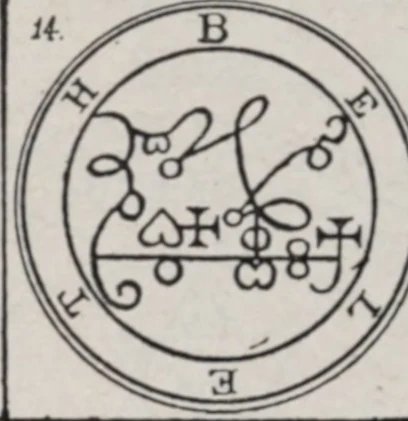 LerajeLeraje is credited with stirring battles and contests. The account specifically links him to arrow wounds that worsen, and associates his imagery with Sagittarius.
-
15
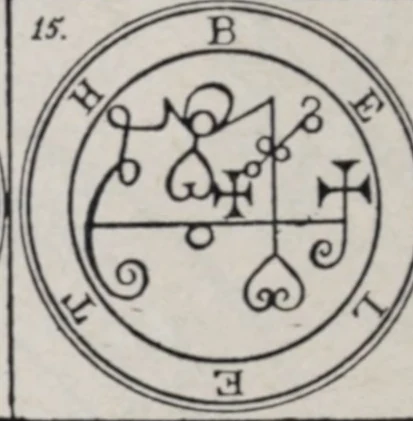 EligosEligos is said to uncover hidden matters and foretell events, especially the course of war and the meeting of soldiers. The text also grants him influence over the affection of lords and other powerful people.
-
16
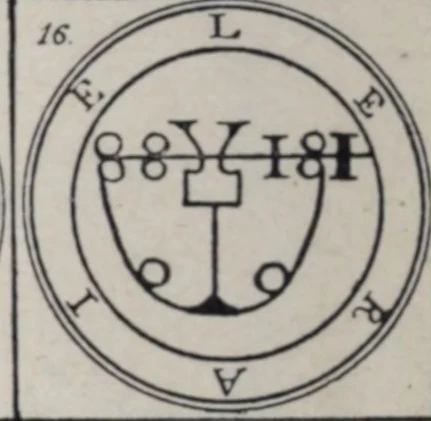 ZeparZepar is assigned a narrowly focused office concerning attraction between women and men. The same passage also attributes infertility to him, an unsettling second aspect of that office.
-
17
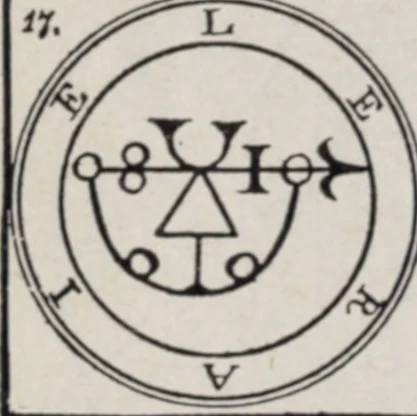 BotisBotis is said to reveal past and future events. He is also assigned the task of reconciling both friends and enemies, pairing divination with the repair of conflict.
-
18
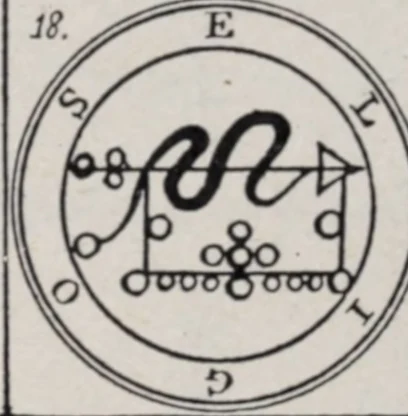 BathinBathin is credited with knowledge of herbs and precious stones. The text also says he can carry people suddenly from one country to another.
-
19
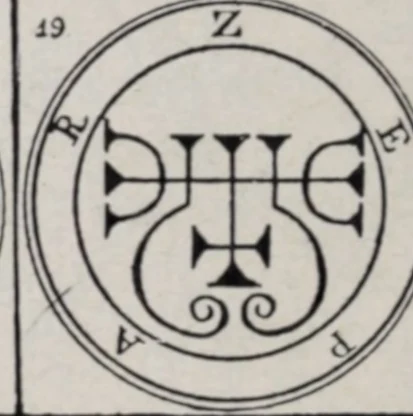 SallosSallos is another figure whose assigned office concerns love between women and men. Unlike some of the more threatening entries, the source explicitly describes his appearance as peaceable.
-
20
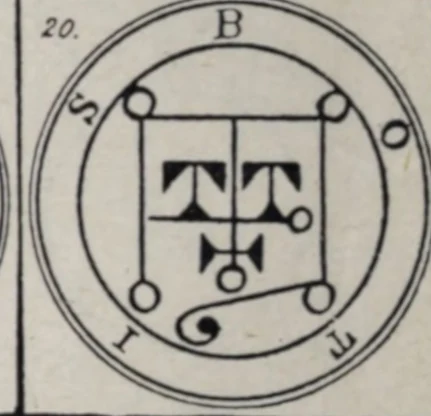 PursonPurson is credited with discovering hidden treasure and telling the past, present, and future. His entry also says he answers questions about earthly and divine secrets and can bring forth familiars.
-
21
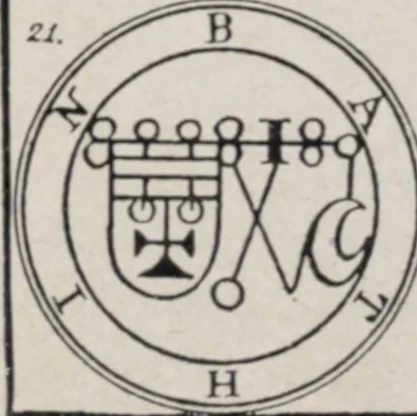 MaraxMarax is said to teach astronomy and the liberal sciences. The account also attributes to him familiars knowledgeable about the properties of herbs and precious stones.
-
22
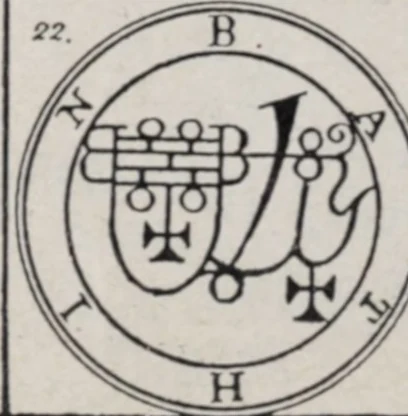 IposIpos is credited with knowledge of the past, present, and future. The text also says he makes people witty and bold.
-
23
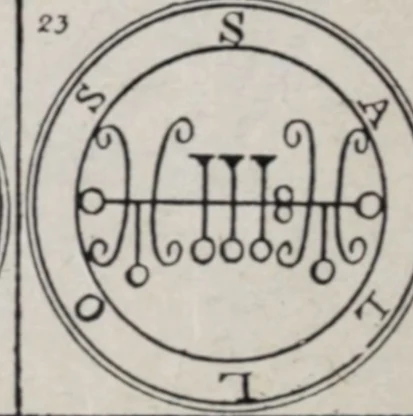 AimAim is associated with fire, including the burning of cities and strongholds in the traditional account. He is also said to sharpen wit and answer private questions truthfully.
-
24
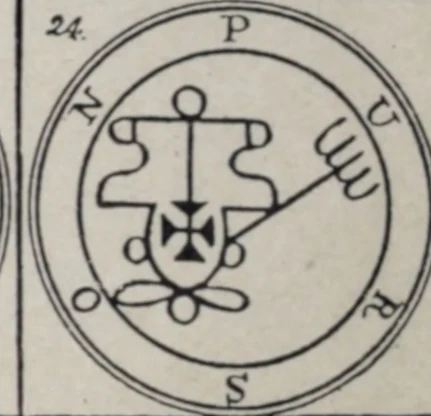 NaberiusNaberius is credited with making people skilled in arts and sciences, especially rhetoric. His entry also says he can restore lost dignities and honors.
-
25
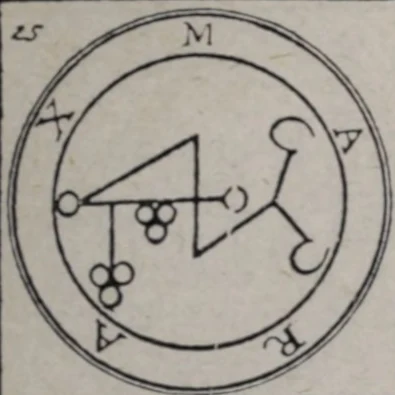 Glasya-LabolasGlasya-Labolas is said to teach arts and sciences quickly and to reveal past and future matters. The same entry links him to bloodshed, invisibility, and the ability to win the affection of friends or enemies.
-
26
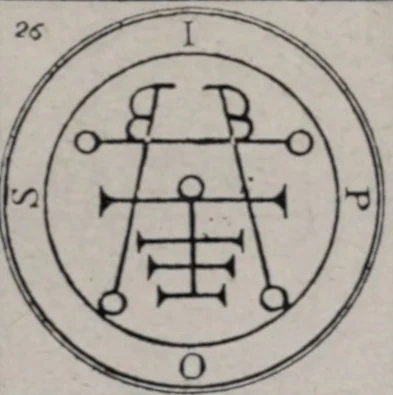 BuneBune is credited with moving the dead and gathering spirits at tombs. The text also associates this duke with riches, eloquence, wisdom, and truthful answers; it records two alternative seals.
-
27
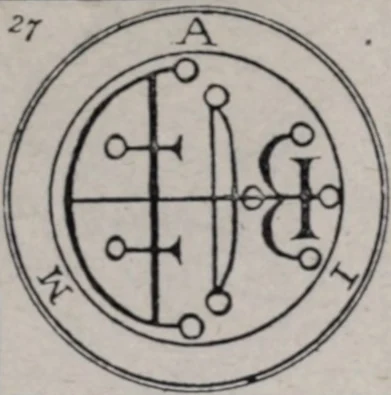 RonoveRonove is said to teach rhetoric and languages. The source also credits him with supplying good servants and gaining favor from friends or enemies.
-
28
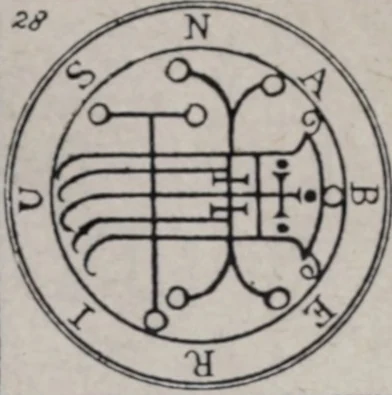 BerithBerith is credited with true answers about the past, present, and future and with turning metals into gold. His entry also connects him with conferring or confirming dignity and supplies several later variant names.
-
29
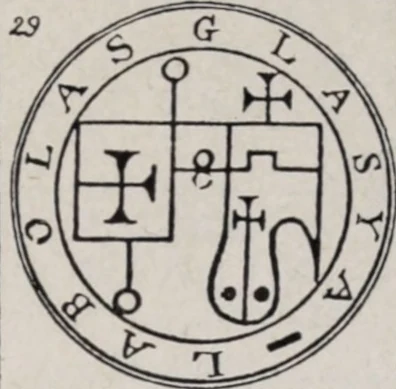 AstarothAstaroth is said to answer questions about past, present, and future events and to disclose secrets. The passage also assigns him teaching in the liberal sciences and an account of the spirits’ fall.
-
30
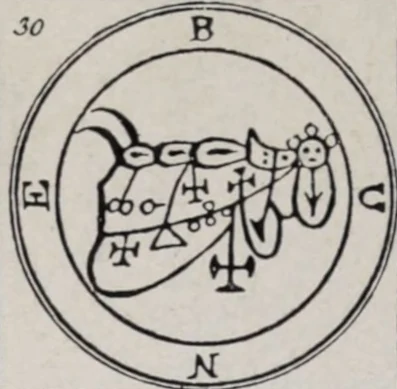 ForneusForneus is associated with rhetoric and the understanding of languages. The text says he can give a person a good reputation and make that person loved by both friends and enemies.
-
31
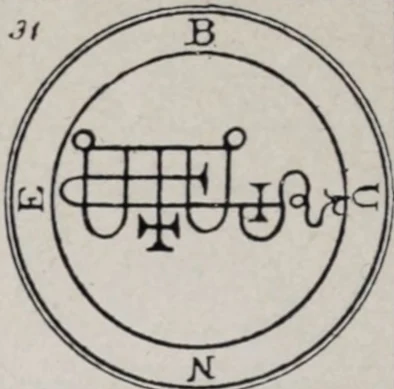 ForasForas is credited with teaching the properties of herbs and precious stones, as well as logic and ethics. His entry also associates him with eloquence, longevity, invisibility, hidden treasure, and the recovery of lost things.
-
32
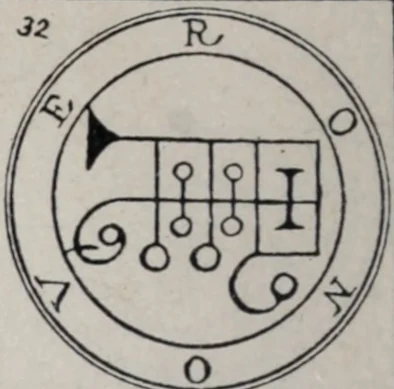 AsmodayAsmoday is said to teach arithmetic, astronomy, geometry, and crafts. The passage also attributes to him answers to questions, invincibility, and the finding and guarding of treasure, while placing him under Amaymon.
-
33
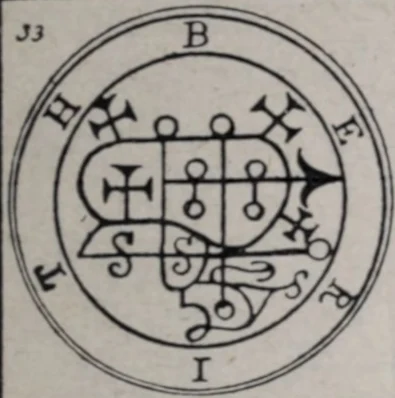 GaapGaap is described as able to affect understanding, teach philosophy and the liberal sciences, and stir love or hatred. The text also credits him with answering questions across time and carrying people rapidly between kingdoms.
-
34
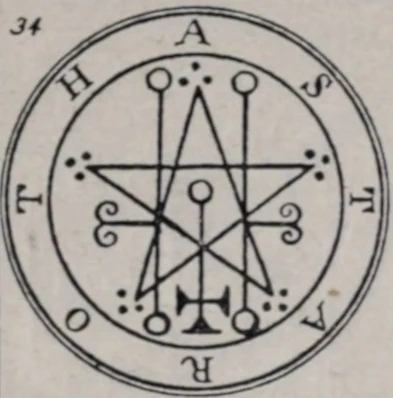 FurfurFurfur is associated with love between women and men and with lightning, thunder, wind, and storms. The source says that he gives truthful answers about secret or divine matters only under ceremonial constraint.
-
35
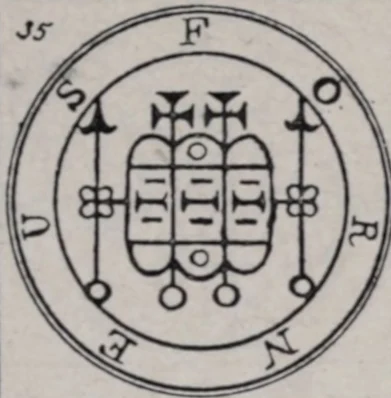 MarchosiasMarchosias is characterized as a strong fighter. His entry says he once belonged to the order of Dominations and records a claim that he hoped to return to the seventh throne after twelve hundred years.
-
36
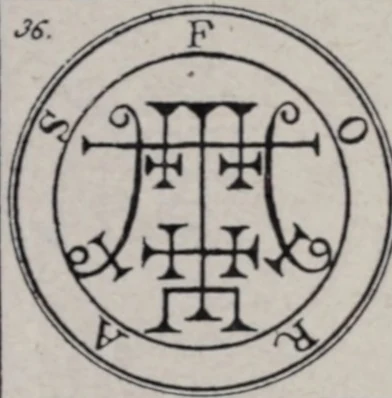 StolasStolas is credited with teaching astronomy and the properties of herbs and precious stones. The entry is short and centers on those fields of knowledge rather than a wider set of powers.
-
37
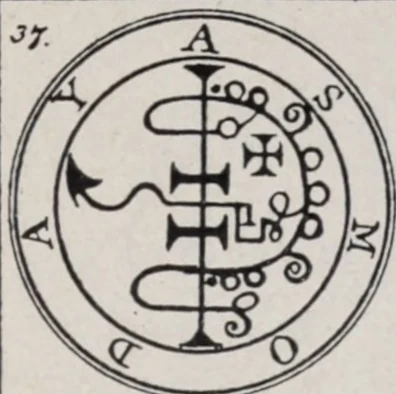 PhenexPhenex is described as a poet who sings beautifully and speaks of unusual sciences. Like Marchosias, he is said to hope for a return to the seventh throne after twelve hundred years.
-
38
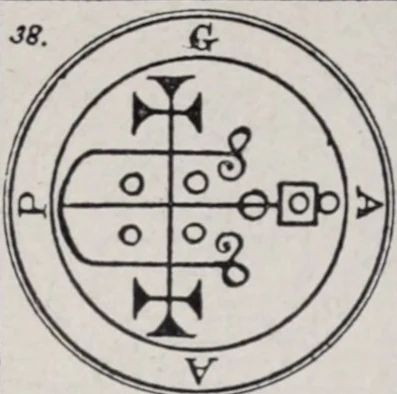 HalphasHalphas is credited with building towers and supplying them with arms and ammunition. The text also says he sends armed men to appointed places.
-
39
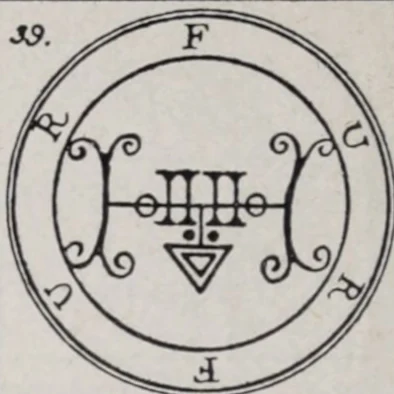 MalphasMalphas is said to build houses and towers and to reveal what enemies intend or have done. His entry also promises familiars but warns that he deceives anyone who offers him a sacrifice.
-
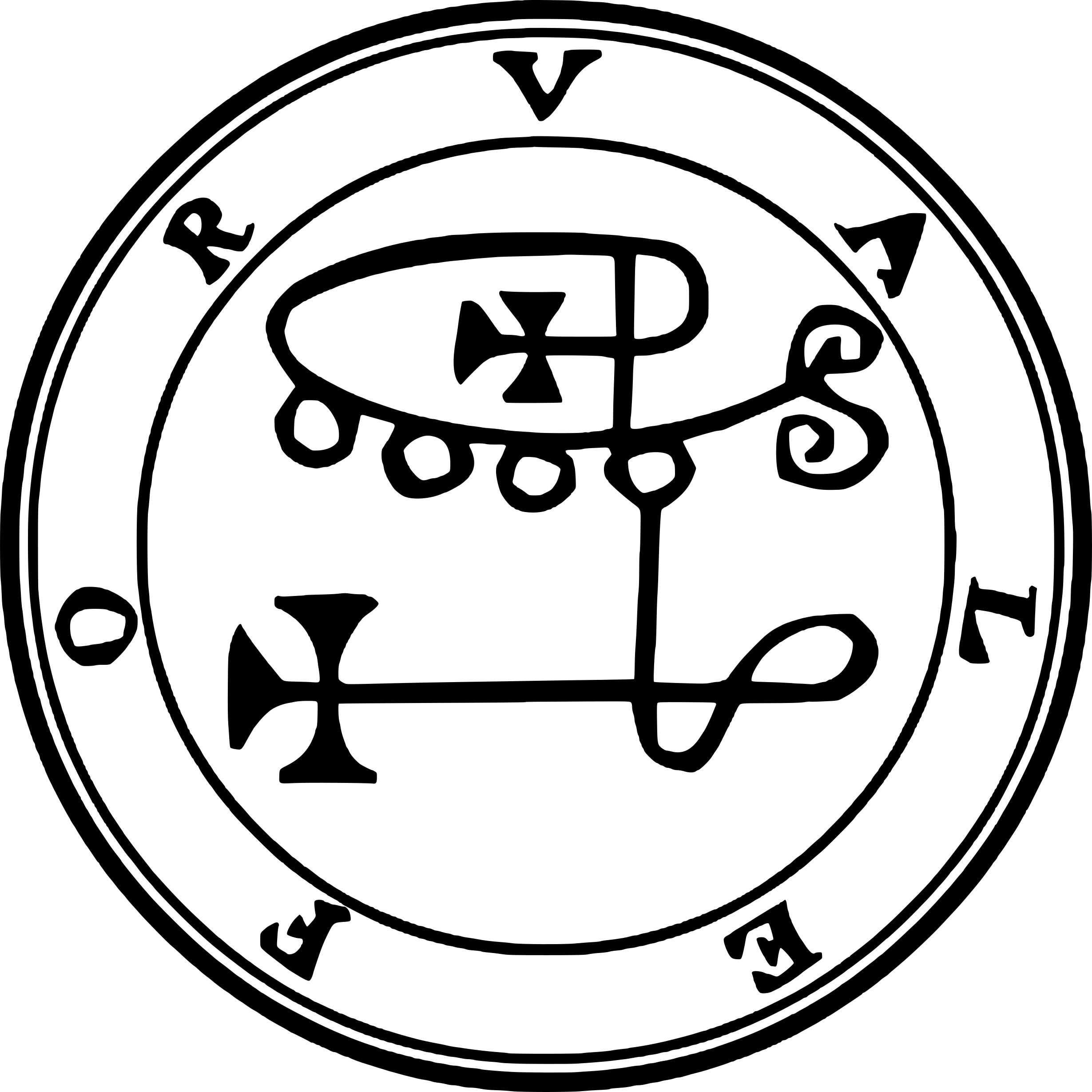
40
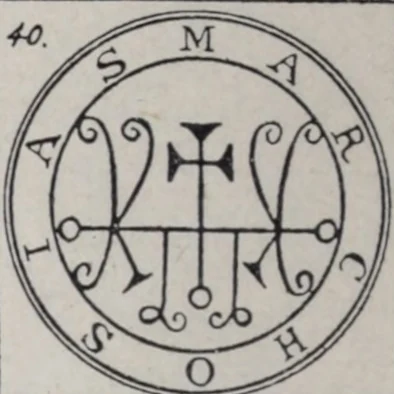 RaumRaum is credited with taking treasure from kings’ houses and damaging cities or dignities. The passage also assigns him knowledge of past, present, and future and the power to cause affection between friends or foes.
-
41
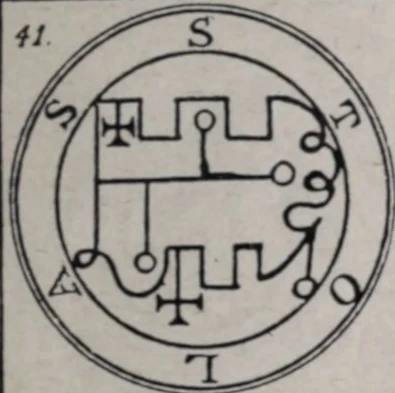 FocalorFocalor is associated with winds and seas and, in the text, with drowning people and overturning ships. His passage says he can be restrained from harm and records a hope of returning to the seventh throne after a thousand years.
-
42
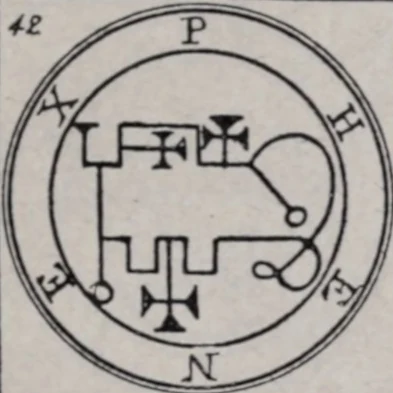 VeparVepar is credited with governing waters and guiding ships carrying arms. The entry also describes storms and ships that seem to appear at sea, as well as a darker attributed power over infected wounds.
-
43
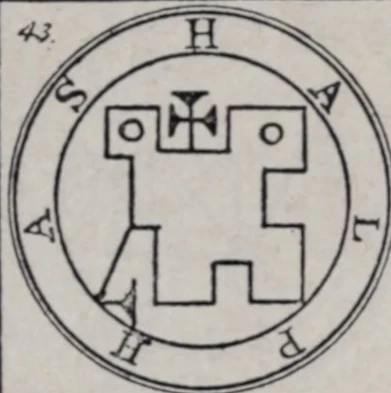 SabnockSabnock is said to build towers, castles, and cities and equip them with armor. The same account associates him with prolonged sores and wounds and with providing familiars.
-
44
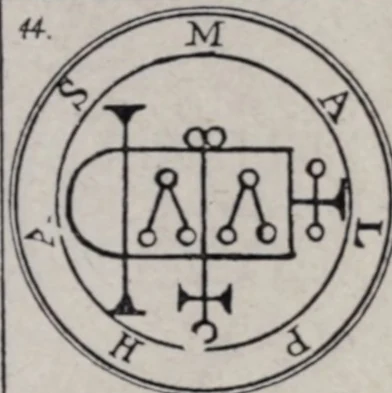 ShaxShax is attributed the power to take away sight, hearing, or understanding and to steal money or fetch objects. The text says he can reveal hidden things, but warns that his answers are deceptive unless he is constrained.
-
45
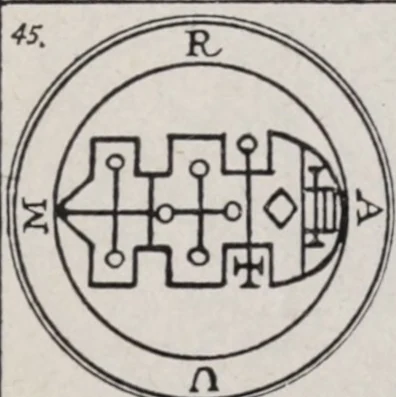 VineVine is credited with disclosing hidden matters and identifying practitioners of witchcraft. The passage also says he can build towers, break stone walls, and raise rough water and storms.
-
46
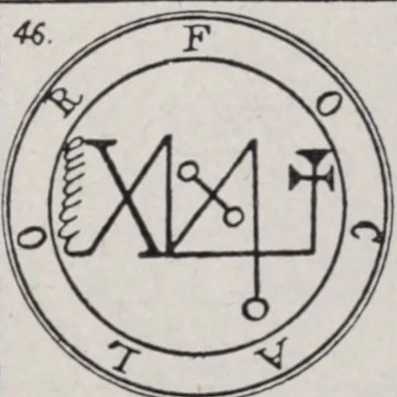 BifronsBifrons is said to teach astrology, geometry, and other sciences, along with the properties of stones and woods. The source also links him to moving bodies of the dead and lights that appear on graves.
-
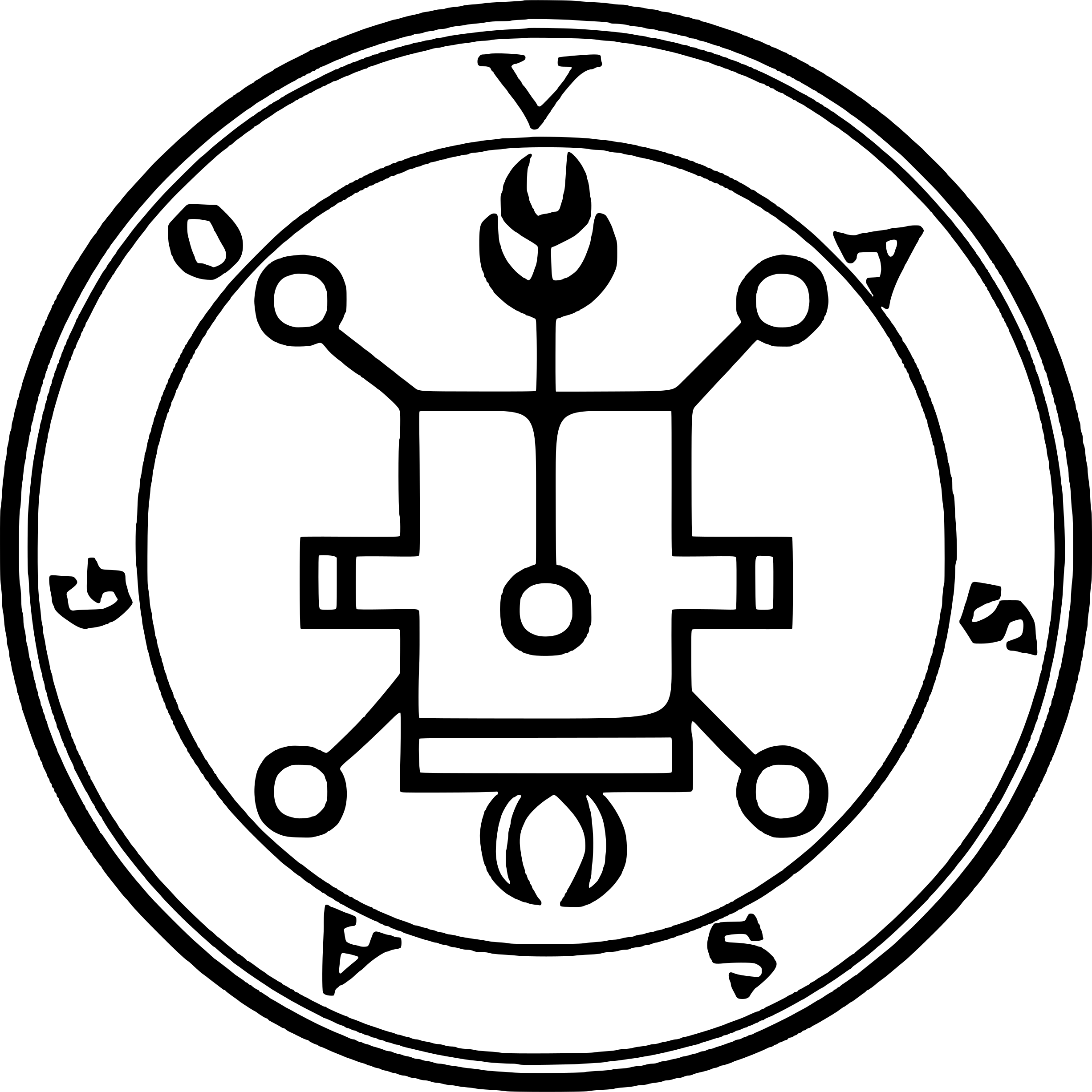
47
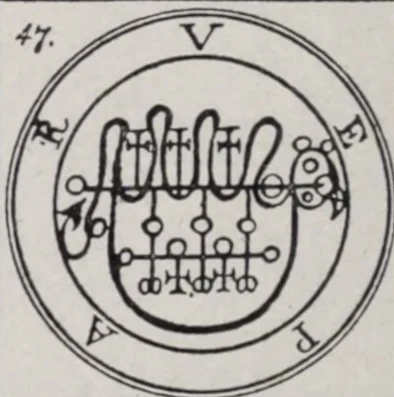 VualVual is credited with procuring love and reporting past, present, and future events. His entry also assigns him the creation of friendship between friends and enemies.
-
48
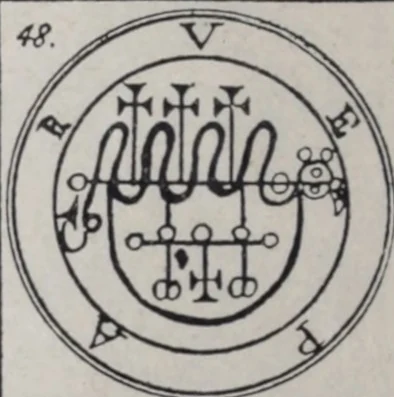 HaagentiHaagenti is said to make people wise and instruct them in many subjects. The passage also attributes transformations of metals into gold and of wine into water or water into wine.
-
49
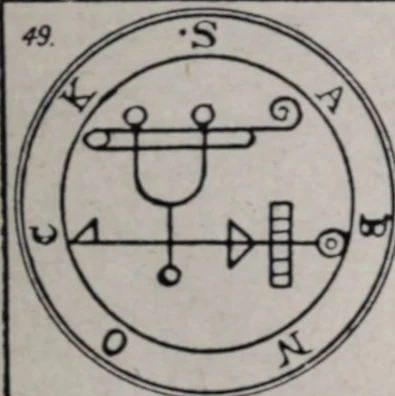 CrocellCrocell is credited with teaching geometry and the liberal sciences, and with speaking in mysterious terms about hidden matters. The text also says he can produce the sound of rushing water, warm waters, and reveal baths.
-
50
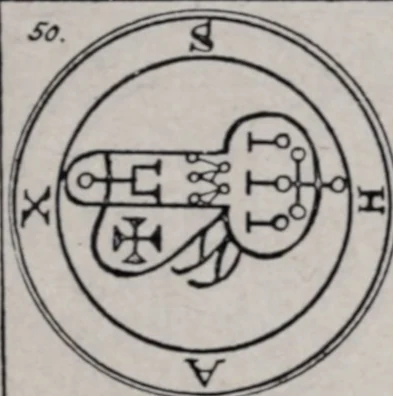 FurcasFurcas is the catalogue’s knight rather than a king, duke, or president. His office is teaching philosophy, astrology, rhetoric, logic, palmistry, and divination by fire.
-
51
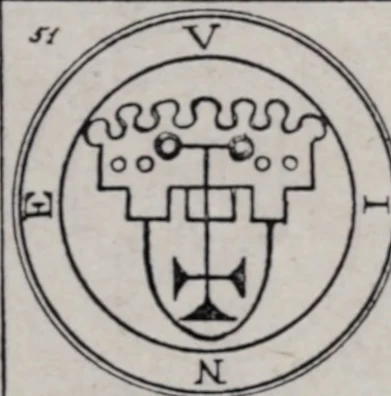 BalamBalam is said to give truthful answers about the past, present, and future. The entry also attributes wit and invisibility to him.
-
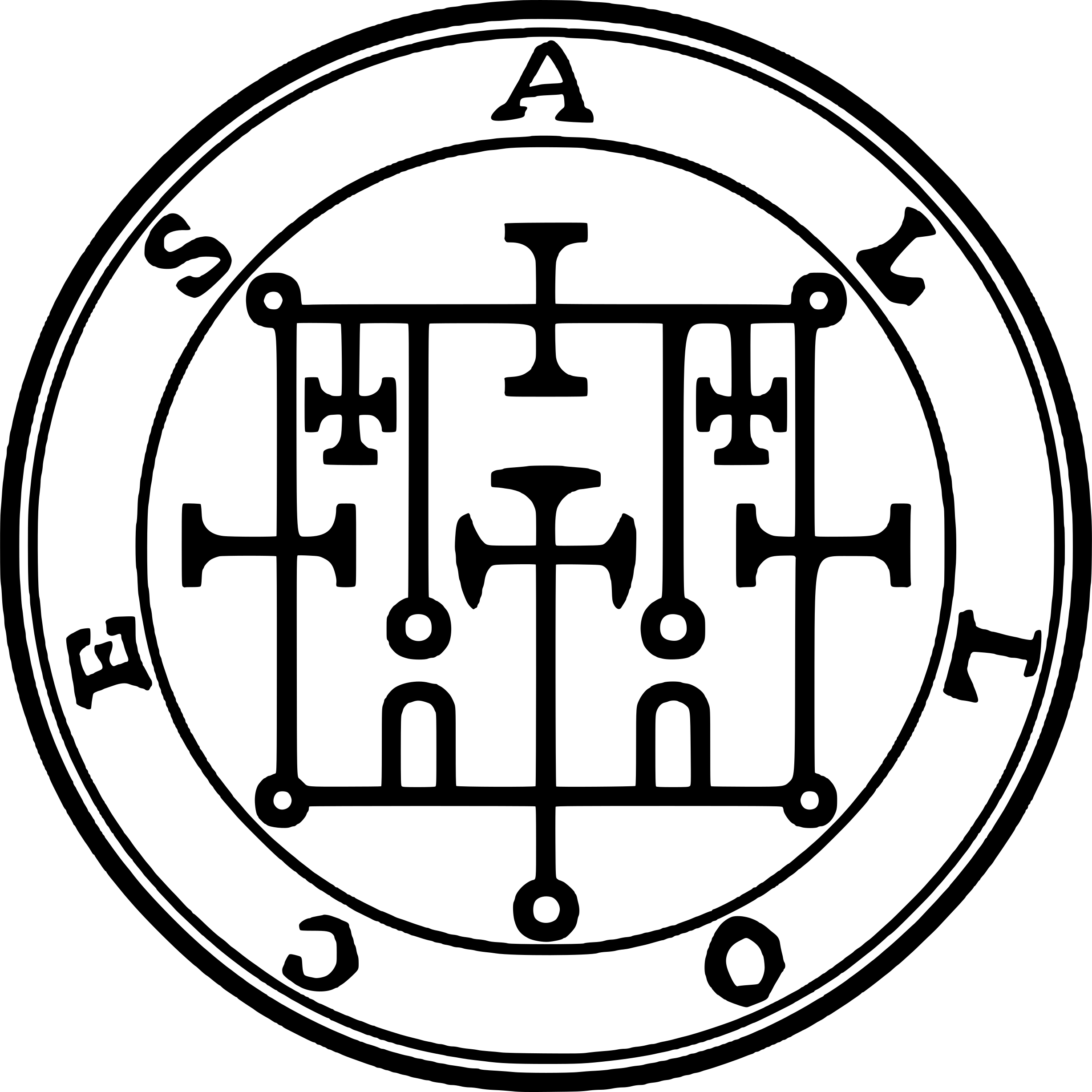
52
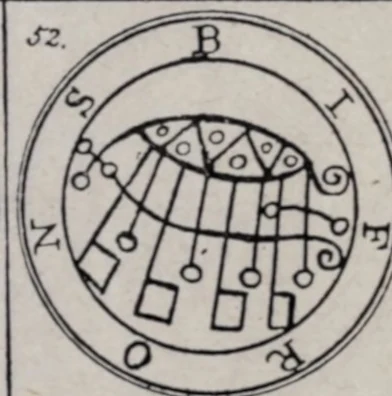 AllocesAlloces is credited with teaching astronomy and the liberal sciences. The source says he also brings good familiars.
-
53
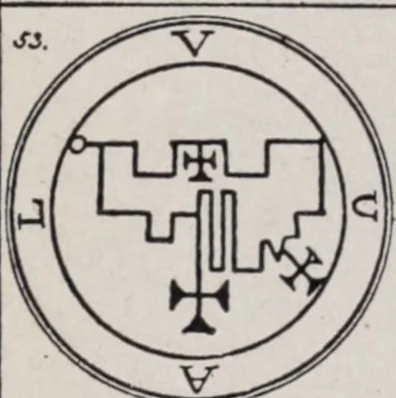 CaimCaim is presented as a skilled disputant who interprets the sounds of birds, cattle, dogs, other creatures, and water. The text also attributes to him truthful answers about future events.
-
54
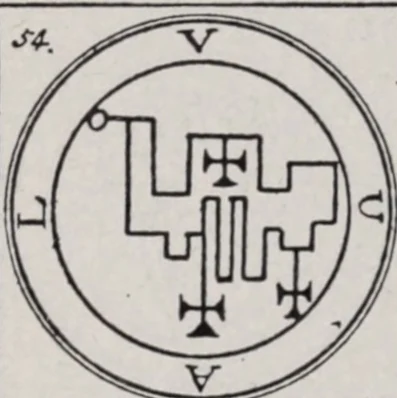 MurmurMurmur is said to teach philosophy thoroughly. His entry also describes compelling the souls of the dead to answer questions.
-
55
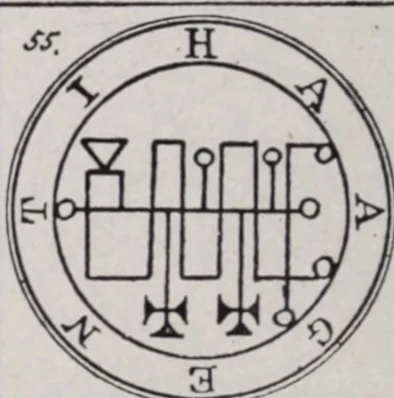 OrobasOrobas is credited with truthful answers about the past, present, and future, as well as questions about divinity and creation. The source also says he grants dignities and favor and protects the summoner from other spirits’ deception.
-
56
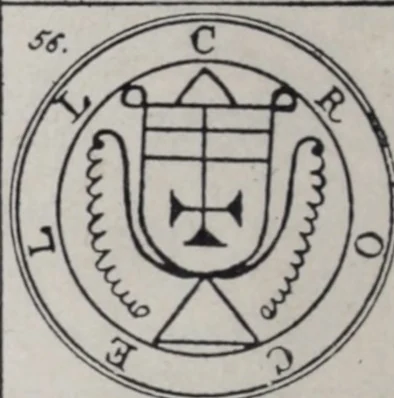 GremoryGremory is said to tell of past, present, and future events and the location of hidden treasure. The passage also associates her with procuring the love of women.
-
57
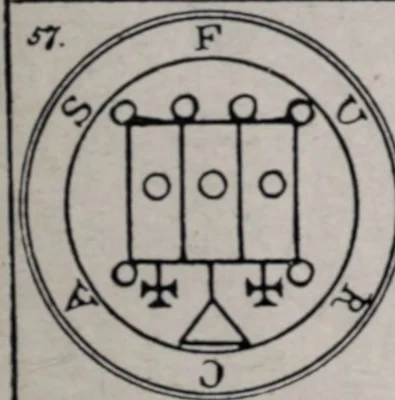 OseOse is credited with teaching the liberal sciences and answering questions about secret or divine matters. The text also says he can change a person’s apparent form and make that person believe the change is real.
-
58
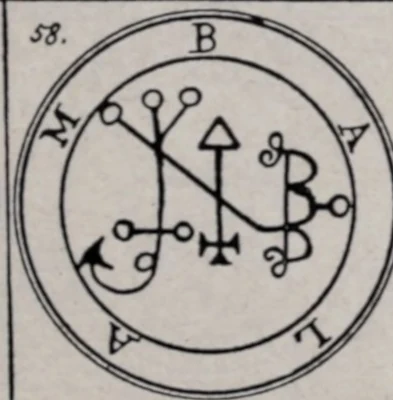 AmyAmy is said to teach astrology and the liberal sciences. The entry also credits him with providing familiars and disclosing treasure guarded by spirits.
-
59
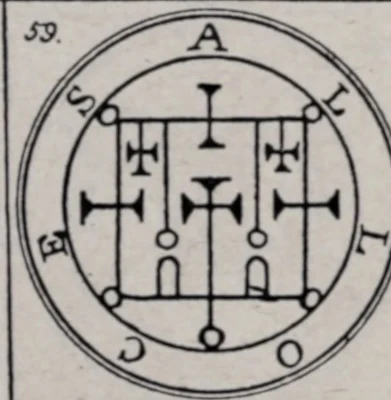 OriasOrias is associated with the stars and planetary mansions and their attributed qualities. The passage also assigns him transformation of people and the granting of dignity and favor.
-
60
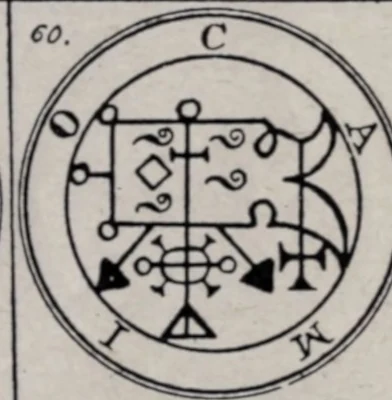 VapulaVapula is credited with teaching crafts, professions, philosophy, and sciences. His entry is focused on practical and learned skills rather than prophecy or treasure.
-
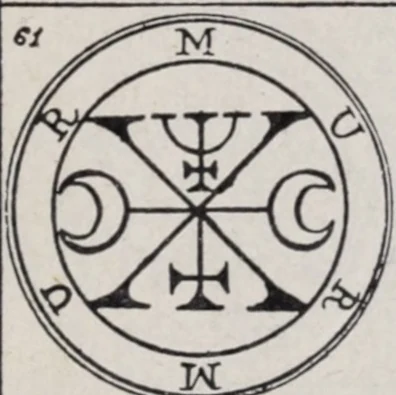
61
 ZaganZagan is said to make people witty or wise. The source also attributes to him unusual transformations of wine, water, blood, and metals into coin.
-
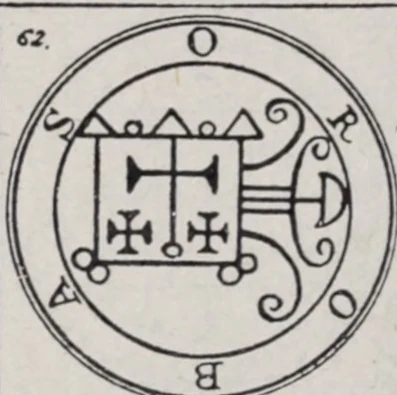
62
 ValacValac is credited with revealing hidden treasure and locating serpents. His entry says he can bring serpents to the summoner without the use of force.
-
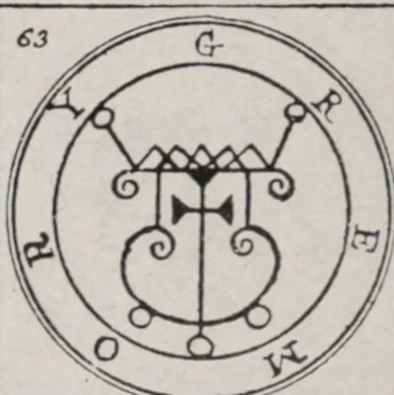
63
 AndrasAndras is assigned the task of sowing discord. The entry is unusually stark in warning that an incautious summoner and companions may be killed.
-
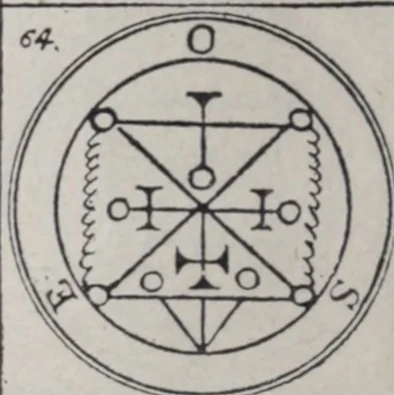
64
 HauresHaures is said to answer questions about the past, present, and future and recount the creation and fall of spirits. The text warns of deception outside the ceremonial triangle and also associates him with destroying enemies.
-
65
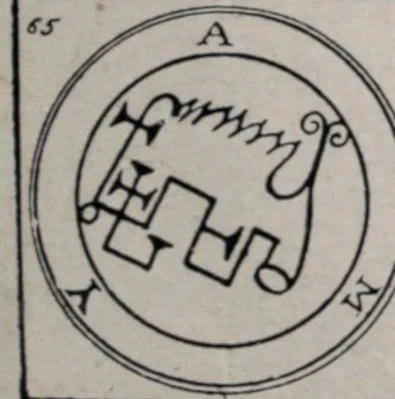 AndrealphusAndrealphus is credited with teaching geometry, measurement, and astronomy. The account also says he can change a person into the likeness of a bird.
-
66
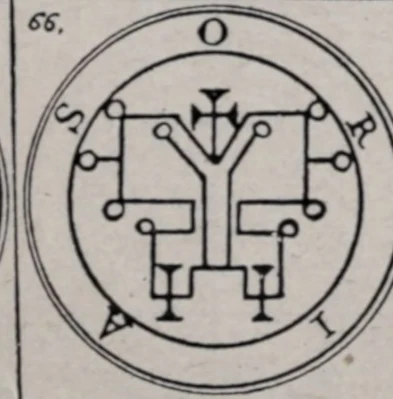 CimejesCimejes is said to teach grammar, logic, and rhetoric and to locate things lost or hidden, including treasure. The text also says he rules spirits in parts of Africa.
-
67
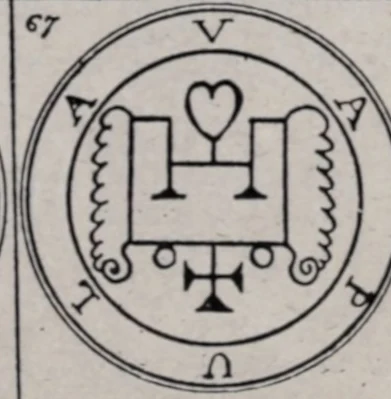 AmdusiasAmdusias is associated with the sound of trumpets and other instruments. The text also says he can bend trees and provide excellent familiars.
-
68
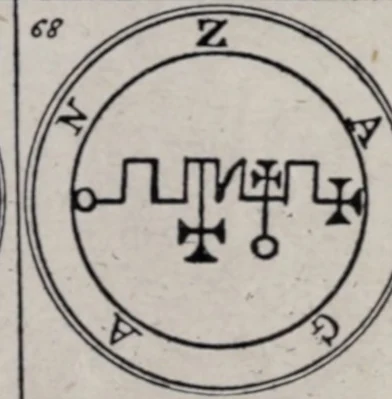 BelialBelial is said to distribute offices and appointments and gain favor from friends and enemies. The entry presents him as powerful but unreliable in his answers unless compelled, and describes offerings as part of its ritual setting.
-
69
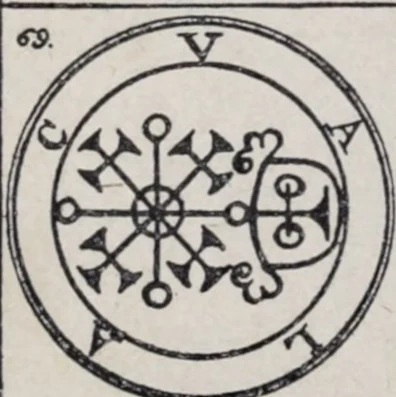 DecarabiaDecarabia is credited with explaining the properties of birds and precious stones. The passage also says he can cause bird-like forms to appear, sing, and drink as living birds do.
-
70
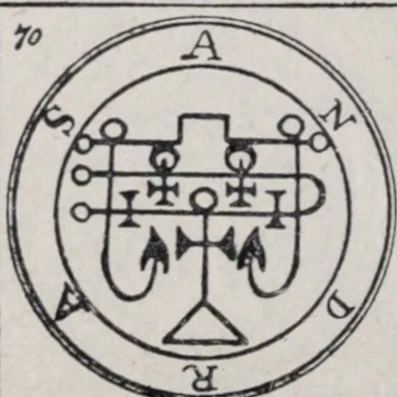 SeereSeere is associated with swift travel and the rapid transport of people or things. The text also credits him with reports about theft and hidden treasure and calls his nature comparatively agreeable.
-
71
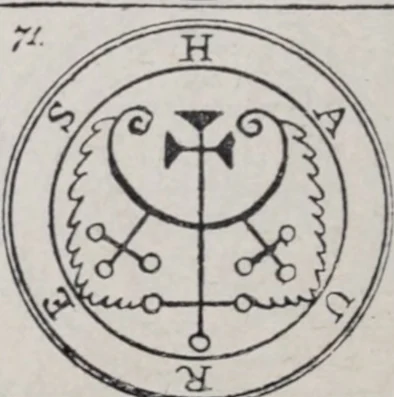 DantalionDantalion is said to teach arts and sciences and reveal or alter people’s thoughts. The entry also associates him with love and with showing a vision of someone far away.
-
72
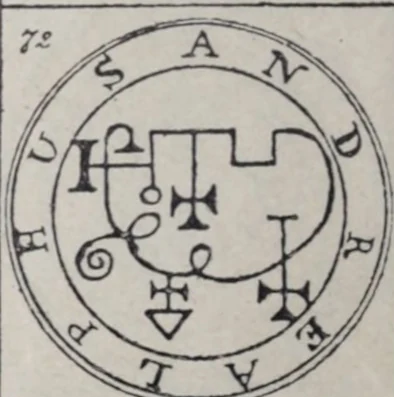 AndromaliusThe final spirit in the catalogue is credited with finding thieves and recovering stolen goods. The text also assigns Andromalius the disclosure of wrongdoing and concealed treasure.
No entries match these filters. Try another name, rank, or number.
The text and its seals
The Ars Goetia is the first part of The Lesser Key of Solomon. The 1904 English edition translated by S. L. MacGregor Mathers and edited by Aleister Crowley lists 72 named spirits with ranks, attributed offices, and numbers of “legions.”
A sigil, also called a seal in the edition, is an emblem assigned to an entry. The seal plates shown with the entries come from a separate 1916 edition edited by L. W. de Laurence.