
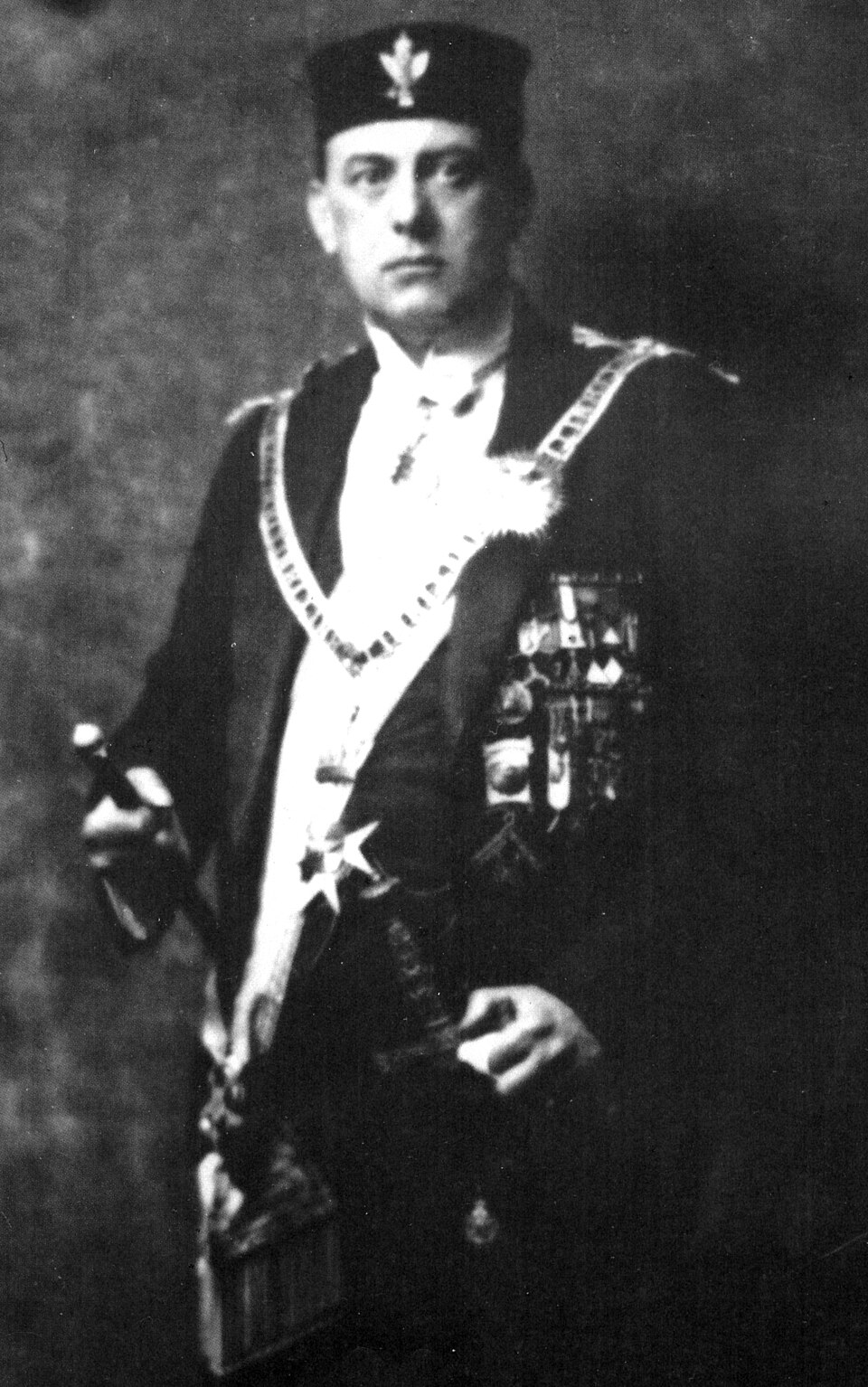
The life, books, and surviving records
Aleister Crowley (1875–1947) wrote poetry, occult instruction, commentary, and books issued in more than one form. A title can refer to a claimed experience, a manuscript draft, a first printing, or a later edition. The life chronology sets dated events beside a works and editions directory, where early printings and later reissues remain distinct.
The Harry Ransom Center's Crowley inventory describes works, correspondence, personal papers, and material from occult groups. Its collection dates reach beyond Crowley's lifetime because the archive also contains later material. The Warburg Institute's Yorke Collection preserves books and papers associated with Crowley and Gerald Yorke; its old and new manuscript series reflect different stages of arrangement. These collections document transmission and ownership without deciding the truth of every claim made in the texts.
Where the 1904 Goetia fits
Crowley's 1904 Goetia publication belongs to the later print history of the Lemegeton. The seventy-two-spirit list and seals have a manuscript and edition history that precedes that book. The 1904 edition guide follows the printed object, while the Ars Goetia reference follows the older spirit material and its source witnesses. Maps, imprints, catalogued books, and the National Library of Scotland's account of Crowley's Boleskine years place his ritual claims within a documented setting.
Archive collections: Harry Ransom Center inventory, Warburg Yorke Collection, and National Library of Scotland Boleskine essay.
More on Crowley: works and editions · Ars Goetia · occult history