
This 1760-dated French grimoire builds a fantasy of licensed clerical magic. A forged papal constitution opens the way; Masses and offices prepare the operator; circles and pentacles regulate contact; seven weekday calls assign names, hours, offerings, and effects; a final collection brings the same promise of control into gaming, fire, medicine, and livestock.
- Surviving witness
- British Library copy digitized by Google Books
- Printed extent
- 106 numbered pages plus plates and preliminaries
- Core sequence
- Constitution, consecration, calls, then Rare Secrets
Explore the reading room
This is not the Sworn Book of Honorius
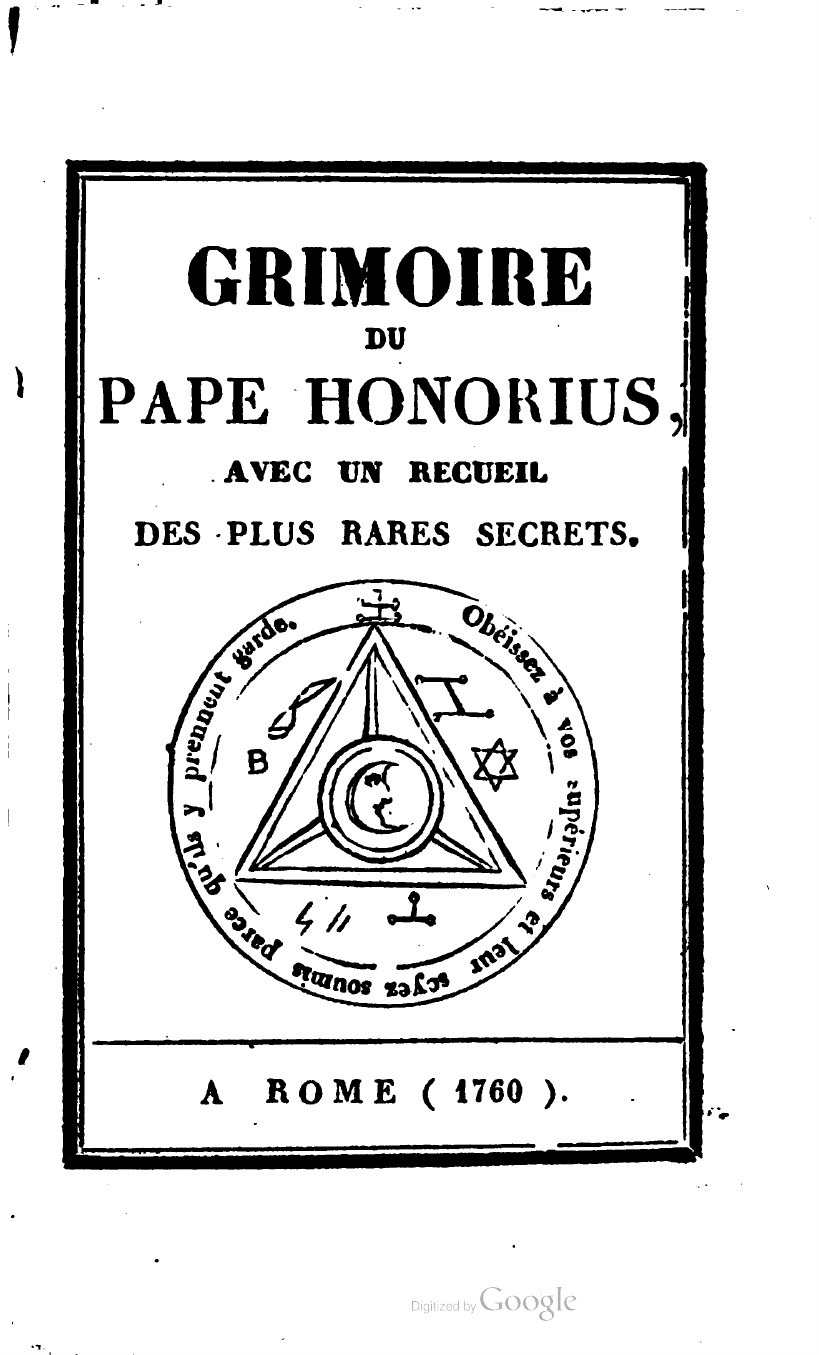
A French printed grimoire that claims the authority of Pope Honorius III, imitates a papal constitution, adapts clerical rites, and supplies weekday demon calls and practical secrets.
The Sworn Book is attributed within its own tradition to Honorius of Thebes. Its manuscript transmission, Seal of God, cosmology, angelic material, and vision rite belong to a separate work.
Royal MS 17 A XLII is evidence for the Sworn Book tradition, not an early witness to this French papal grimoire. Two strategies of authority share the name “Honorius”, not two stages in the history of one book. One invokes a learned keeper of an oath-bound medieval text; the other makes a pope appear to legislate spirit command for clergy.
How the volume is built
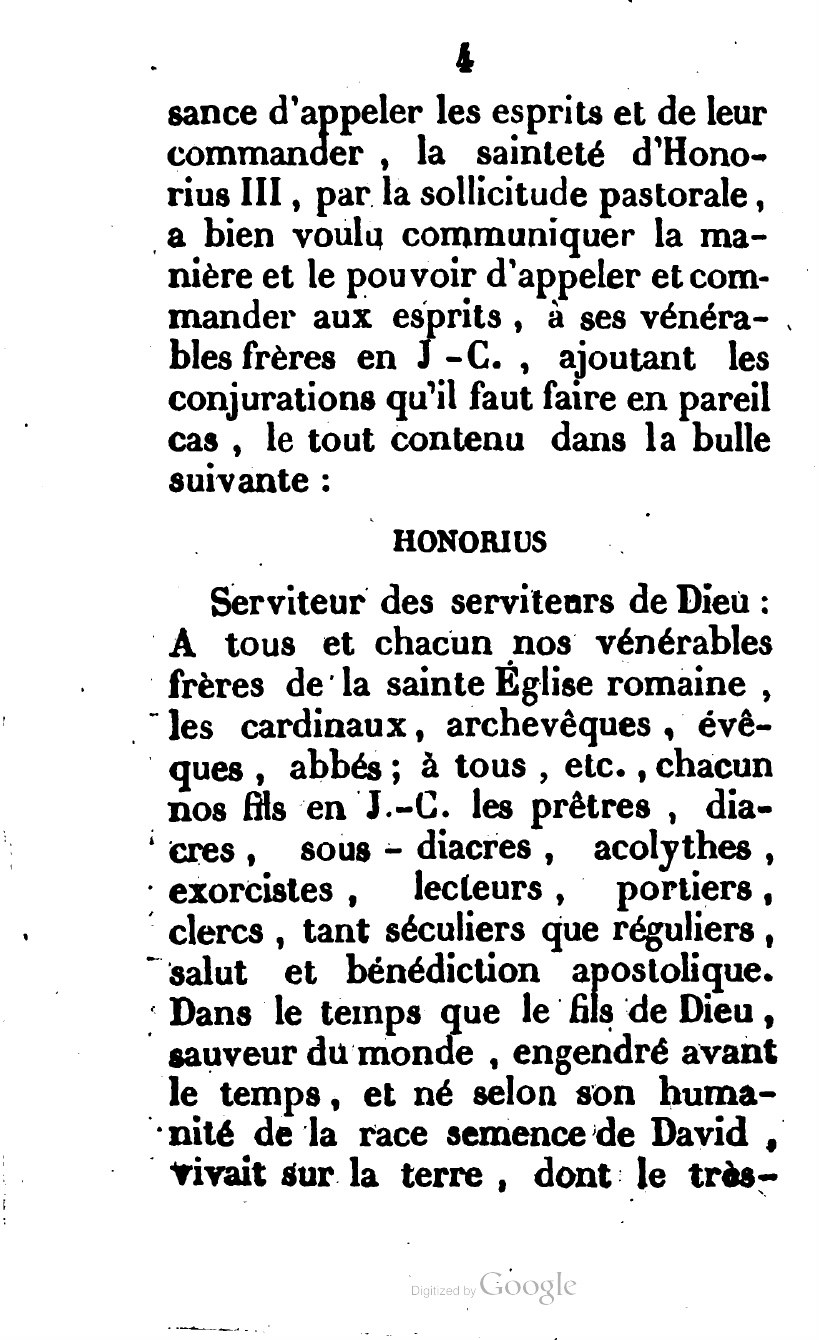
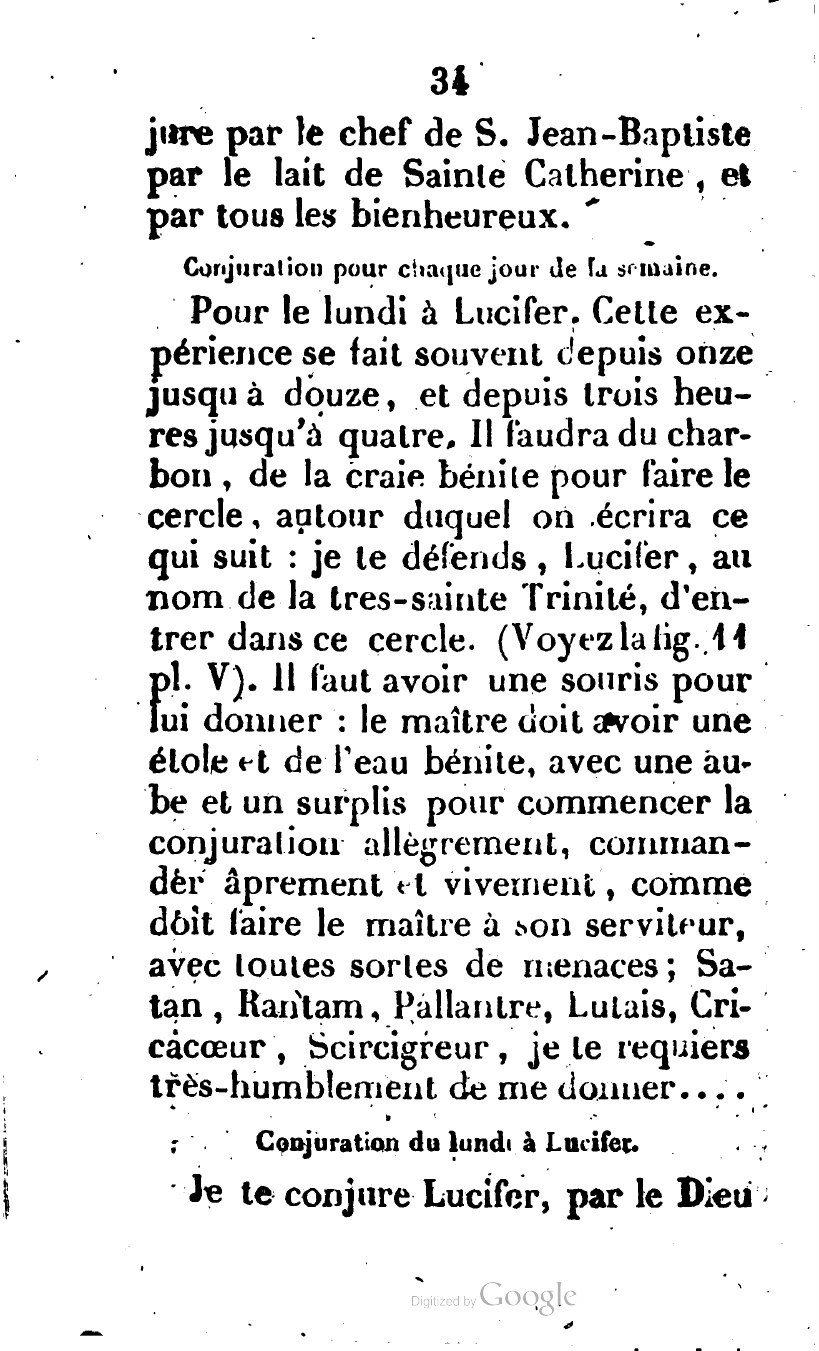
Authorization and preparation occupy printed pages 3–24. The pseudo-constitution delegates power; fasting, confession, communion, Masses, altered offices, animal materials, lambskin, and sealed paper manufacture the operator’s equipment. The book is then exorcised so that spirits will supposedly recognize it. Printed pages 25–47 turn authority into encounters: circles, directional kings, weekday calls, treasure conjurations, offerings, and dismissals organize who appears, where, and at what price.
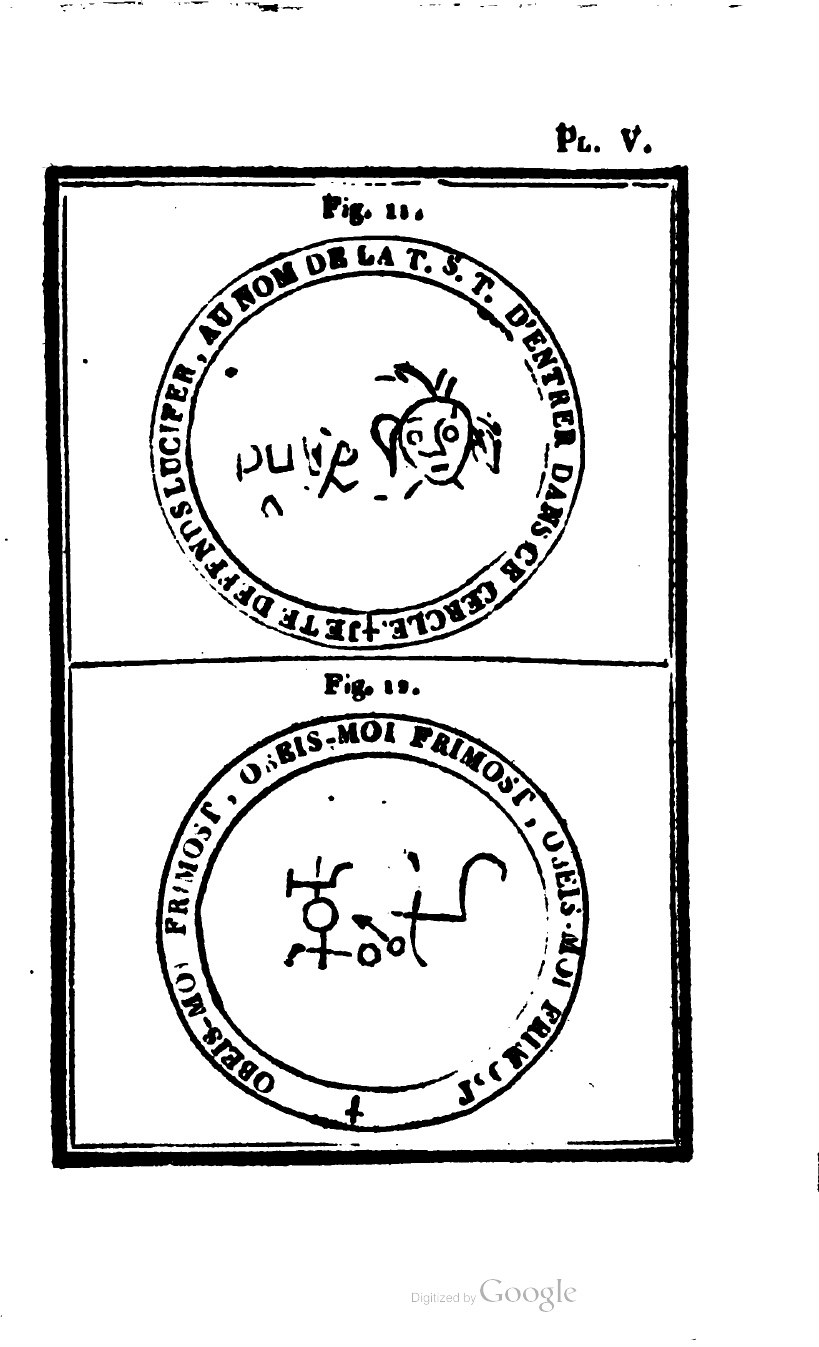
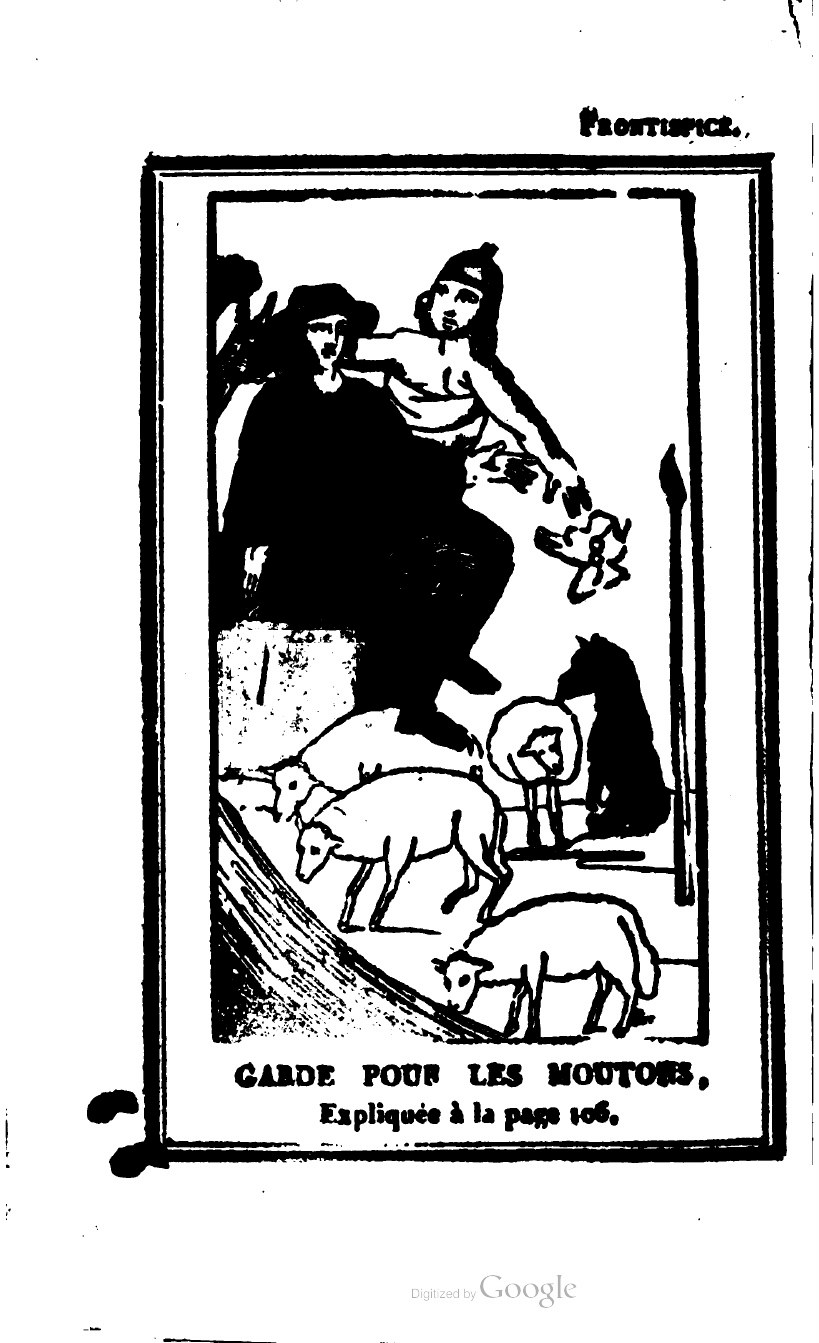
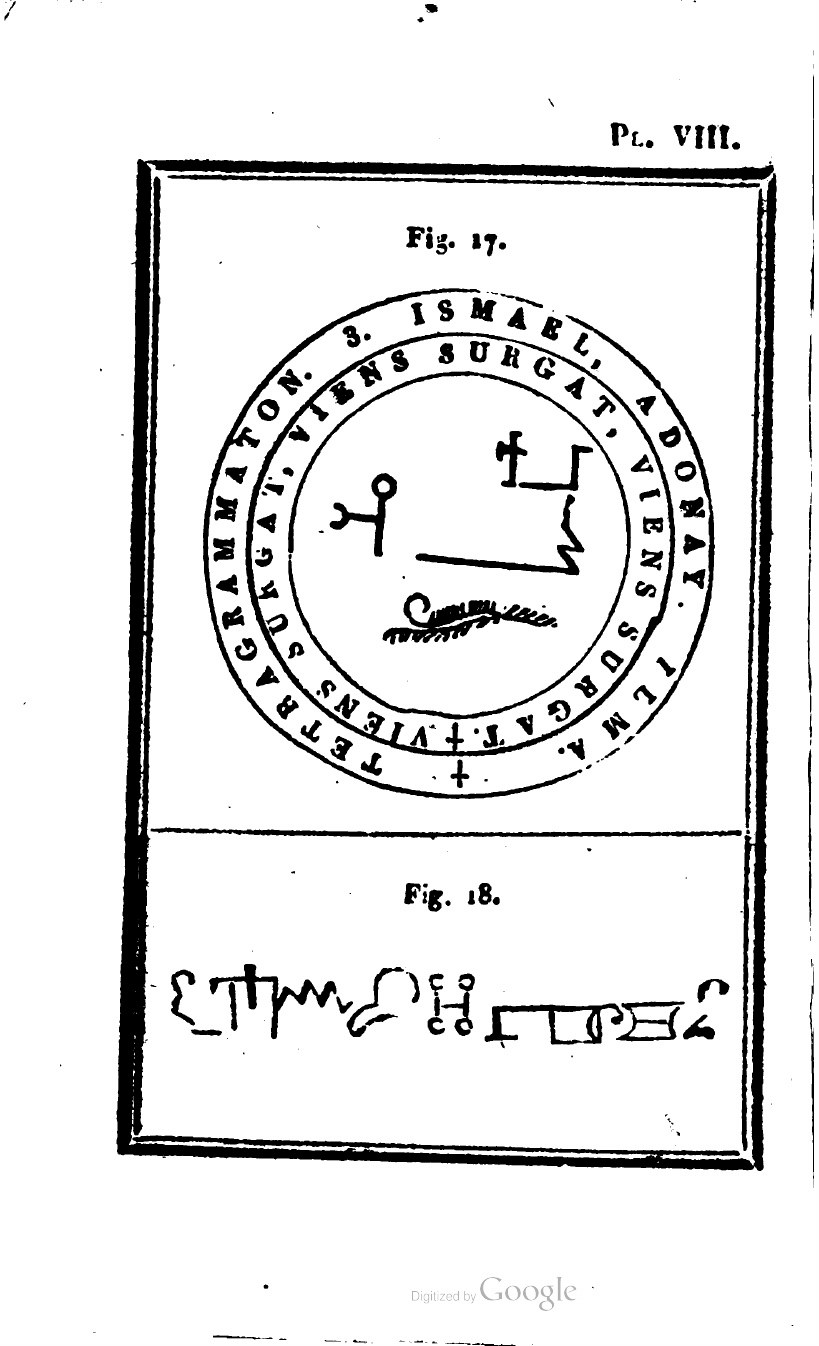
At page 48, the Recueil des plus rares secrets de l’Art magique changes scale. Shorter procedures promise gaming luck, control of a chimney fire, wealth, protection, remedies, foreknowledge, and care of animals. The frontispiece advertises a sheep guard, while the plates place demon-call circles beside figures for practical secrets. The publisher combines ceremonial conjuration and household magic within the same arrangement. Both are sold as applications of exact words, constrained materials, and portable signs.
What the 1760 date can and cannot tell us
Rome and 1760 appear on the title page; the surviving catalog tradition treats both place and date with caution. This reading room therefore calls it the 1760-dated British Library copy. “Dated” reports what the imprint says; it does not turn the book’s papal voice into a historical document from the Vatican or settle the physical edition’s true printing history.
The plates and page sequence in these worked readings come from the Google Books object. The University of Wisconsin scan supplies a second public access point to the work. A modern transcription of the British Library copy helps search difficult type, but claims and page order are checked against the scan. Supernatural outcomes remain the book’s claims throughout.
Digitized copies and comparison record
- British Library copy of Grimoire du Pape Honorius, Google Books digitization ↗
- University of Wisconsin digital copy of Grimoire du Pape Honorius ↗
- Joseph H. Peterson, transcription of the British Library copy ↗
- British Library, Royal MS 17 A XLII catalogue record for the separate Liber Juratus tradition ↗
- WitchcraftDaily, Sworn Book of Honorius manuscript archive