
Transcendental Magic is the book that fixed Éliphas Lévi’s most volatile images in modern occult culture: the upright and inverted pentagram, the Sabbatic Goat, the astral light, the magical chain, and the smoke-filled chamber in which he tried to call Apollonius of Tyana. This reading room follows what those images do inside the book instead of reducing them to emblems.
- Original work
- Dogme (1854) + Rituel (1856)
- English witness
- Arthur Edward Waite translation, 1896
- Core method
- Paired chapter · plate · worked textual reading
Four descents into Lévi’s ritual machine
The book makes symbols behave like instruments
A number, Tarot key, name, or diagram condenses a field of correspondences.
Light, perfume, posture, abstinence, and timing narrow the operator’s attention.
Will gives the prepared image a direction, addressee, and claimed effect.
The result is judged as apparition, influence, equilibrium, nightmare, or recoil.
Lévi’s prose repeatedly approaches the edge of literal supernaturalism and then turns back toward psychology, magnetism, memory, and symbolic reading. That instability is a source of power in the text. A phantom may be an astral image rather than a soul; Baphomet may be a hieroglyph rather than a devil; a Sabbath may be an initiatory ordeal, a narcotic nightmare, or criminal theater. The guides keep those rival explanations visible.
Four original plates, read in context
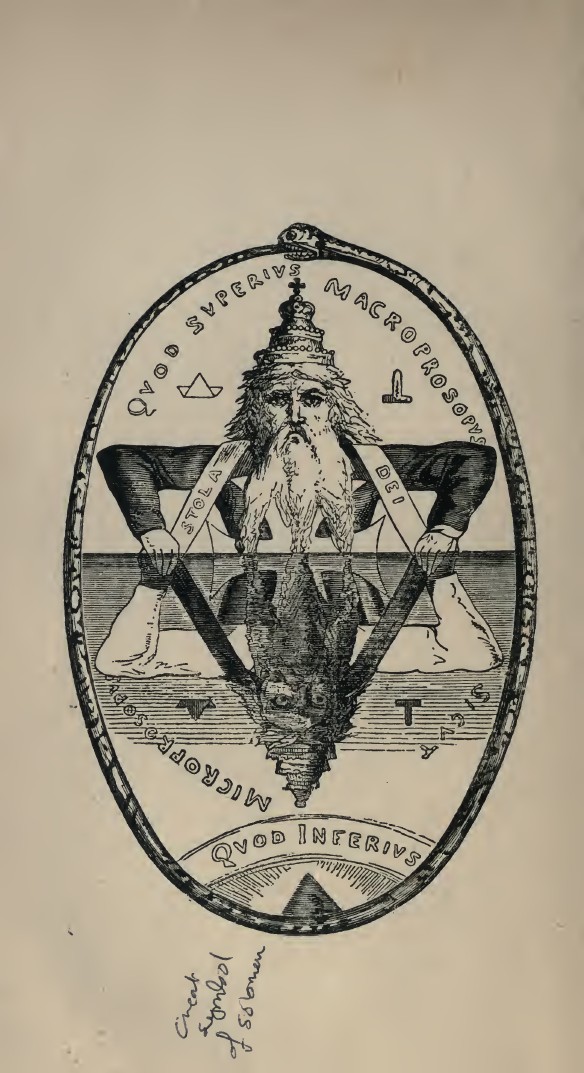
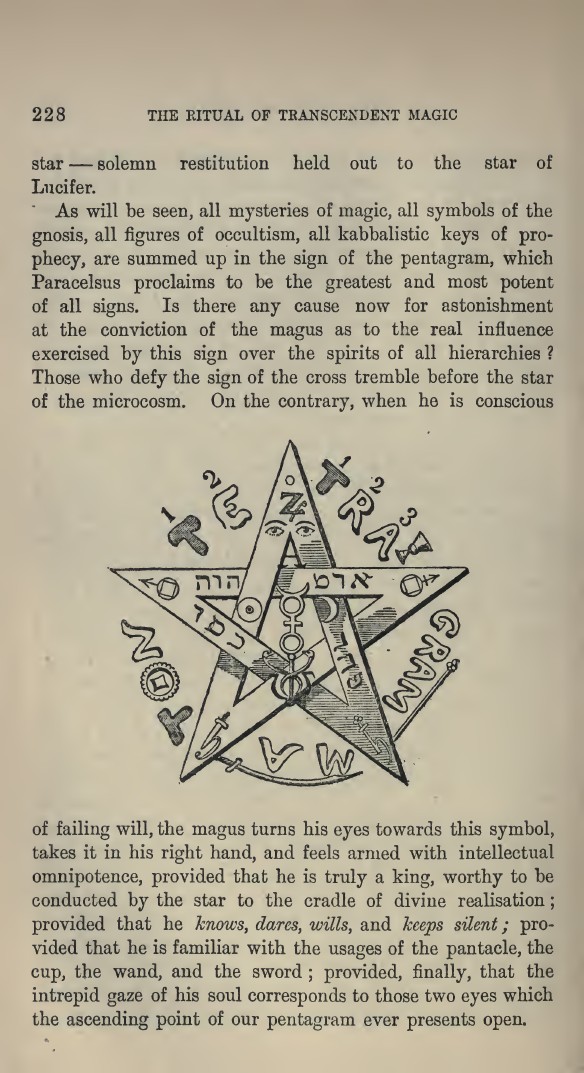
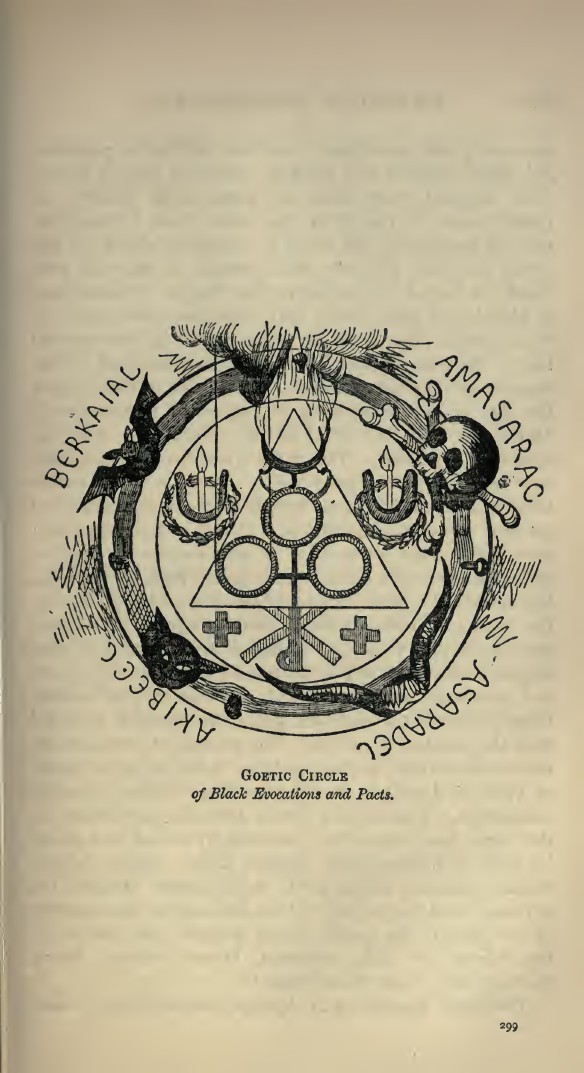
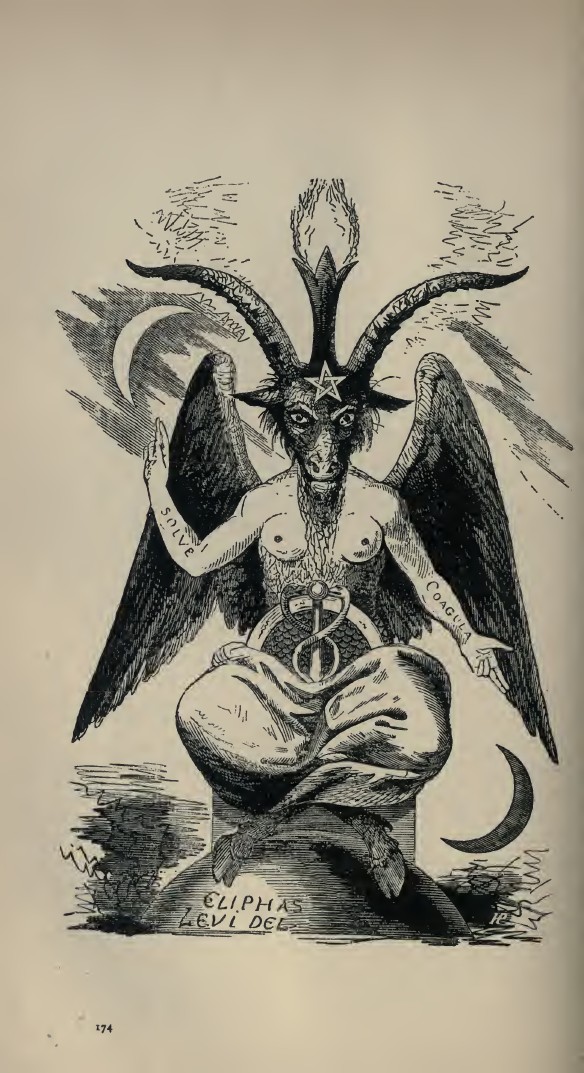
The images here are page renders from the 1896 public-domain scan. Their placement matters: the Great Symbol of Solomon opens the doctrine, Baphomet confronts the ritual, the pentagram closes a chapter on fivefold consecration, and the goetic circle interrupts the Sabbath chapter at the moment theory becomes infernal apparatus.
Primary texts and digital records
- Éliphas Lévi, Transcendental Magic: Its Doctrine and Ritual, Arthur Edward Waite translation (1896 scan) ↗
- Open Library record for the 1896 Redway edition ↗
- Wikimedia Commons, public-domain 1896 scan ↗
- Éliphas Lévi, Dogme et rituel de la haute magie, Rituel (1856 French edition) ↗
- Library of Congress, public-domain American edition and page images ↗