ANIMAL KINSHIP · SYMBOL · RECIPROCITY
Spirit Animal Meaning: Kinship, Symbol, and the Animal You Cannot Own
An animal can become a relative, emblem, teacher, omen, dream figure, or private metaphor. The broad modern label “spirit animal” does not make those relationships interchangeable—and it grants no one ownership of a living species.

STAR & SIGIL
Replace the cosmic mascot with a real relationship
Enter an animal-centered working grounded in precise language, ecological life, cultural boundaries, and habitat responsibility.
Open the repair cabinet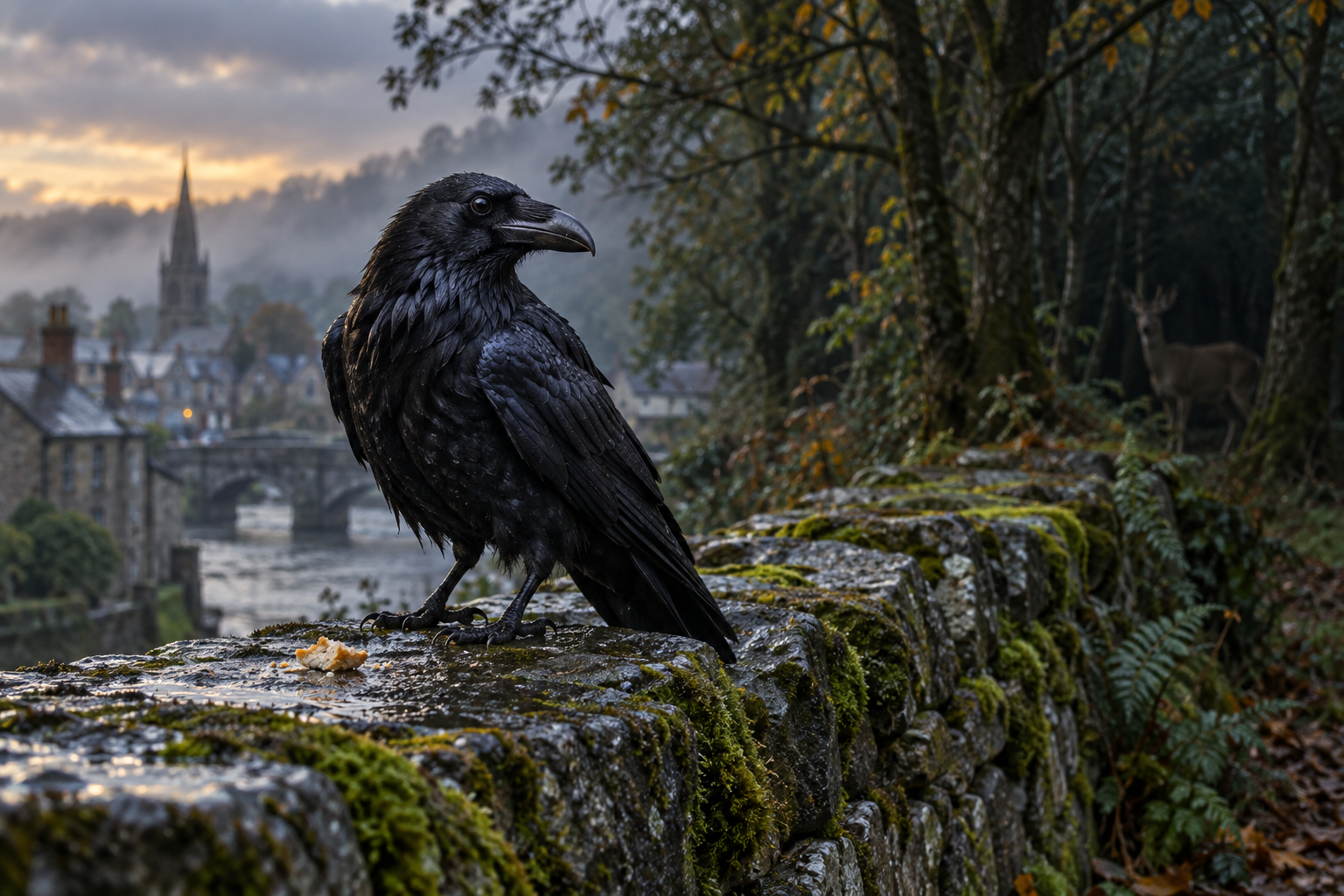
“What is my spirit animal?” sounds like a request for one flattering creature and one stable answer. Yet animal meaning is rarely so obedient. A deer at the road edge may be wildlife navigating fragmented habitat, a dream image shaped by fear, a family emblem, an omen within a named tradition, or several of these at once. The encounter becomes serious when the reader stops asking what animal they possess and asks what kind of relationship is actually being claimed.
In contemporary English, spirit animal is a loose popular label for an animal felt to express someone’s temperament, accompany them spiritually, or recur at meaningful moments. It is not the universal name of a universal Native American practice. Indigenous nations hold distinct languages, histories, clan systems, stories, ceremonial authorities, and relationships with animal relatives. Compressing them into a quiz result converts living relations into personality merchandise.
One phrase is carrying several unlike ideas
A personal metaphor says, “Fox describes how I move through conflict.” A recurring dream figure says, “Fox appears when I avoid a choice.” An ecological relationship says, “Foxes live beside this city because our waste and building patterns shape their routes.” A lineage or clan relation belongs to a community’s own social order. A tutelary or helping spirit belongs to a specific cosmology and may involve obligations outsiders have not been invited to perform.
These statements are not stages on one ladder. The first three can be explored without claiming entry to the fourth. The National Museum of the American Indian explicitly warns that the generic classroom idea of a “spirit animal” trivializes diverse Native relationships with animals. Its materials show why specificity matters: Haudenosaunee animal-named clans concern kinship and governance, while Yakama and Yoreme/Yoeme dance traditions place animals inside particular histories, songs, communities, and lands. None is simply a mascot selected because its traits feel attractive.
The decisive question
Does the animal name a private association you can revise, or a relationship whose meaning and authority belong to a particular people? Humility begins by knowing the difference.
Teacher, mirror, messenger, and relative are not synonyms
| Office | What carries meaning | A disciplined claim |
|---|---|---|
| Mirror | A trait the observer recognizes in an animal image | “Heron helps me think about patience.” |
| Messenger | Timing, repetition, dream context, or divinatory convention | “This sighting interrupted my question about leaving.” |
| Teacher | Close attention to the creature’s actual behavior and habitat | “Crow caching changes how I imagine preparation.” |
| Relative | A culturally situated relation, responsibility, or social identity | “This meaning is held and explained by the people to whom it belongs.” |
Calling every office “guide” hides the duties attached to each. A mirror asks self-knowledge. A messenger asks interpretation. A teacher asks observation. A relative asks reciprocity and accountable belonging. The animal never becomes a blank screen merely because the experience felt numinous.
Behavior corrects symbolism
Popular correspondences often turn species into single adjectives: wolf equals loyalty, owl wisdom, snake transformation, deer gentleness. Living animals undo that neatness. Wolves cooperate and compete; owls are specialized predators rather than solemn librarians; snakes shed because growth requires it, not to dramatize human rebirth; deer can be vigilant, destructive to vegetation, aggressive in rut, and superbly adapted to edge habitat.
Begin with exact identification. A raven is not every black corvid. A “hawk” might be several species whose hunting styles and seasonal movements differ. Record place, time, weather, behavior, and whether food, roads, nesting, migration, or human disturbance explains recurrence. Ordinary causation does not cancel wonder. It gives the meeting a body.
The temptation to command nature can itself become the subject. When a magical inquiry truly concerns collective animal agency, cast The Many Beasts as One to Call every beast within hearing and command them as one great creature. Its magnitude makes the ethical question visible: gathering many living wills into one commanded body is an act of power, not proof that the practitioner naturally speaks for them.
The raven at noon and the deer in sleep
Mara asks whether to accept work in another city. For five lunches, a raven lands on the same railing outside her office. She dreams once of a deer standing inside an empty train. A symbol list would award both immediate messages: raven as clever transition, deer as gentle passage. A layered comparison produces a better reading.
First she records the raven’s material setting. A colleague feeds it from the terrace at noon; its recurrence follows food and routine. That does not make it meaningless. The raven becomes a teacher of learned routes and opportunism, but not independent evidence that the job is destined. The event says more about adaptation than prophecy.
Next she records the dream’s structure. The deer is indoors, the train is motionless, and every door is open. Mara feels embarrassment rather than peace. In waking life she fears looking naïve in a new industry. The deer functions as a mirror for exposed vigilance: a creature equipped for one environment trying to orient inside another.
Observed animal
The raven returns for food on a human schedule; its intelligence is behavioral evidence.
Dream animal
The deer’s impossible setting and Mara’s emotion carry the interpretive weight.
Practical test
Mara asks what training and local knowledge would make the new environment navigable.
The two animals do not vote yes or no. Together they sharpen a question: can Mara learn a new route without pretending she already belongs there? She requests a training plan and speaks with a future colleague. The employer’s evasive answer—not the raven or deer—becomes the strongest reason to decline.
A recurring animal may mark attention before it marks fate
Once an animal matters, attention detects it more readily. Images that once passed unnoticed appear in books, advertisements, dreams, and conversation. This frequency effect can coexist with spiritual interpretation, but it changes the evidence. Ten representations are not ten independent visitations when the first has trained the observer to collect the next nine.
Use a bounded ledger: actual animals, dreams, made images, and remembered associations belong in separate columns. Count absences and contradictions. If a robin appears throughout spring, season is part of the pattern. If it appears only in dreams after arguments, emotion may be the organizing condition. Ask what the relationship requests in conduct: habitat care, patience, a boundary, study, or simply admiration.
No encounter grants a title over a species. Avoid feeding, approaching, handling, collecting feathers or nests, or entering restricted habitat without lawful and ecological reason. A relationship expressed through disturbance has mistaken intensity for reciprocity.
No animal sign outranks consent or evidence
Animal symbolism becomes coercive when someone claims that your “wolf energy” proves aggression, that a dream animal chose your partner, or that an omen authorizes trespass into another tradition. An interpretation should remain proportionate to its source. A private dream can illuminate the dreamer’s conflict; it cannot diagnose a stranger, confer community standing, or reveal an Indigenous teaching the dreamer was never given.
Likewise, an inner voice that adopts an animal mask is still an inner claim requiring discernment. If a supposed guide becomes absolute, belittling, or impossible to question, perform Hear Your Own Mind Beneath the Master to Make a chosen person hear their own unaltered thoughts beneath an enthraller’s voice. Use that working where spiritual authority is drowning out judgment; a trustworthy relation does not require the disappearance of the self.
“The creature is not a personality test wearing fur. Meaning begins where projection meets a life that exceeds it.”
Ask what your attention owes
The most useful modern practice is not a rite for acquiring an animal identity. It is a discipline of relation. Learn the species actually living near you. Notice which are displaced, fed, poisoned, protected, or made symbolic while their habitats disappear. Let dream figures remain dream figures and metaphors remain revisable. Where a teaching belongs to a living nation or initiated community, follow its public guidance and accept what is not yours.
A durable animal relationship changes conduct before it decorates identity. It may lead to quieter observation, habitat support, better boundaries, or a less human-centered imagination. The sign’s depth is not measured by how grandly you name it, but by how carefully you answer.